
Select Language:
Germany’s Top Immigrant Communities by Region in 2025
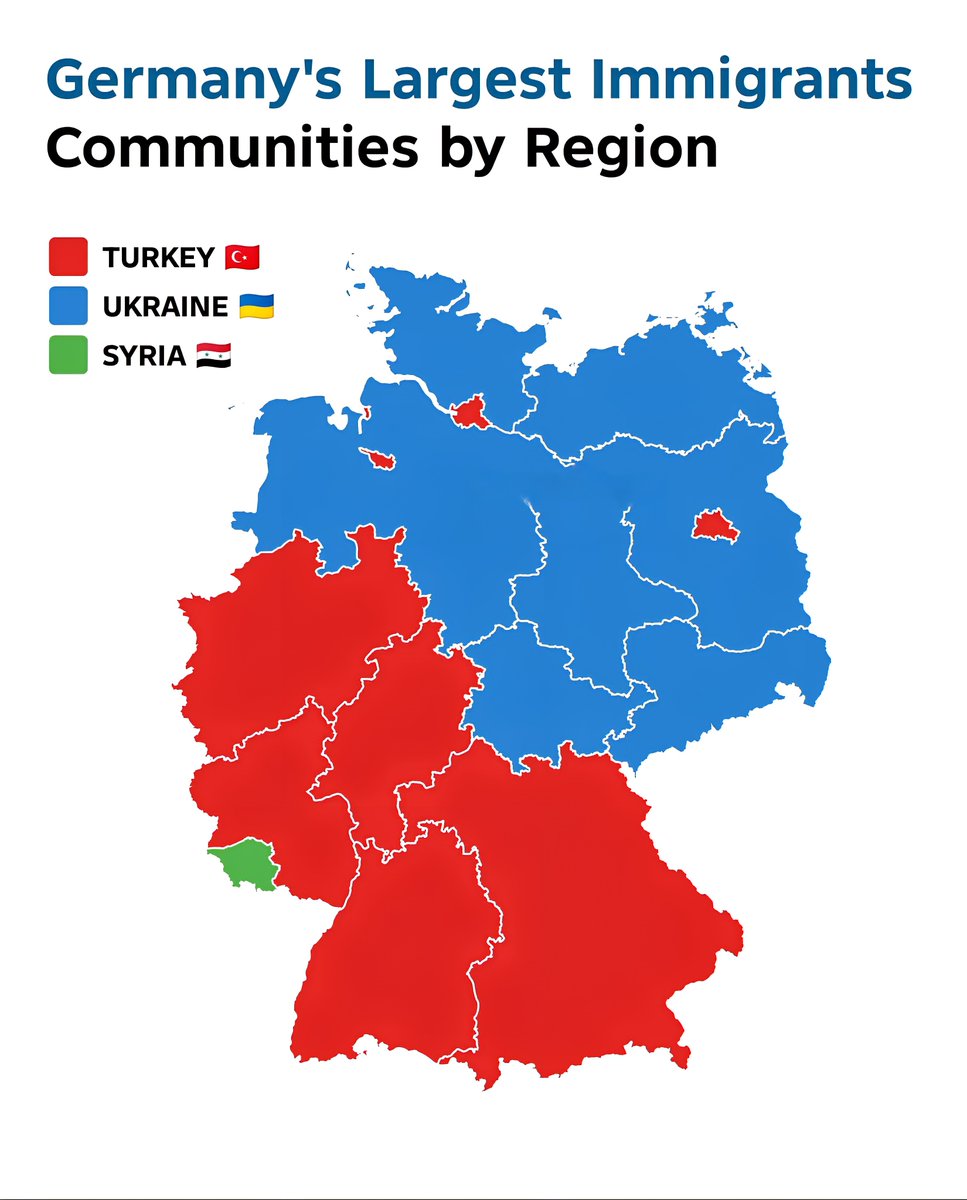
Germany continues to strengthen its reputation as one of Europe’s most multicultural nations, with vibrant immigrant communities playing a vital role in shaping its society. Here’s a detailed look at the largest immigrant groups by region across the country, highlighting the diversity and integration efforts within Germany in 2025.
1. Turkish Community Dominates in North Rhine-Westphalia
North Rhine-Westphalia, Germany’s most populous state and economic hub, remains home to the country’s largest Turkish community. With over 1.5 million residents of Turkish descent, this community has deep roots dating back to the 1960s when Germany signed labor agreements with Turkey. Major cities like Cologne, Düsseldorf, and Dortmund boast vibrant Turkish neighborhoods, bustling markets, and cultural centers that blend traditional customs with modern German influences. The Turkish community’s contributions span SMEs, arts, and politics, reflecting a strong integration that respects heritage while embracing German society.
2. Ukrainian Presence on the Rise in Eastern Germany
Ukraine has witnessed significant growth in its immigrant population, especially in the eastern regions of Germany such as Saxony, Brandenburg, and Saxony-Anhalt. By 2025, Ukrainian nationals constitute one of the fastest-growing immigrant communities, driven by ongoing geopolitical challenges and economic opportunities in Germany. Many Ukrainians are relocating for work, education, and family reunification, with cities like Dresden and Leipzig becoming hotspots for Ukrainian entrepreneurs and students. The community actively participates in cultural festivals and initiatives, fostering a sense of unity and national pride amidst adaptation challenges.
3. Syrian Diaspora Flourishing in the Western Cities
Since 2015, Germany has been a key destination for Syrian refugees fleeing conflict. In 2025, the Syrian community continues to grow, particularly in cities like Berlin, Hamburg, and Stuttgart. These cities host thriving Syrian enclaves that celebrate traditional cuisine, music, and religious practices. Despite early struggles with integration, many Syrians have successfully established businesses, entered the workforce, and contributed to local communities. Educational programs and language courses have played crucial roles in ensuring smoother integration, leading to rising Syrian entrepreneurship and active civic participation.
4. Diverse Communities Enriching Southern Germany
Southern Germany, especially Bavaria and Baden-Württemberg, reflects a different immigrant profile. While Turks are still prominent, there’s a growing presence of immigrants from countries like Italy, Portugal, and the Balkans. Cities such as Munich and Stuttgart feature multicultural districts, where food, festivals, and traditions from diverse backgrounds intermingle. Notably, Italian and Balkan communities have established a strong presence, contributing to local cuisine, trades, and cultural life, further cementing Germany’s reputation as an inclusive society.
5. Growing African and Asian Communities in Major Urban Centers
Recent years have seen an uptick in immigrant populations from Africa and Asia, primarily settling in urban centers like Frankfurt, Berlin, and Hamburg. These communities include individuals from Nigeria, India, Vietnam, and Ethiopia engaging in various sectors such as IT, healthcare, and academia. The result is a mosaic of cultures enriching the German social fabric through culinary diversity, religious practices, and business ventures. Efforts by local governments to support language acquisition and employment integration are making these communities increasingly self-reliant and active in civic life.
6. The Role of Integration Policies and Future Outlook
Germany’s success in maintaining its status as a multicultural society depends heavily on ongoing integration initiatives. Policies focusing on education, employment, and community participation are crucial for fostering social cohesion. The country continues to adapt its policy frameworks to accommodate its evolving demographic landscape, ensuring immigrant communities can thrive while maintaining their unique cultural identities.
As Germany’s immigrant landscape evolves in 2025, each region reflects its distinct demographic makeup and cultural influences, testaments to a nation that continues to embrace diversity as a core strength.
Note: The landscape of immigration is dynamic, and figures or community prominence may change as new data becomes available.
 ChatGPT
 Perplexity
 Gemini AI
 Grok AI