Select Language:
Innovative Parliament Seating Arrangements Around the World in 2025
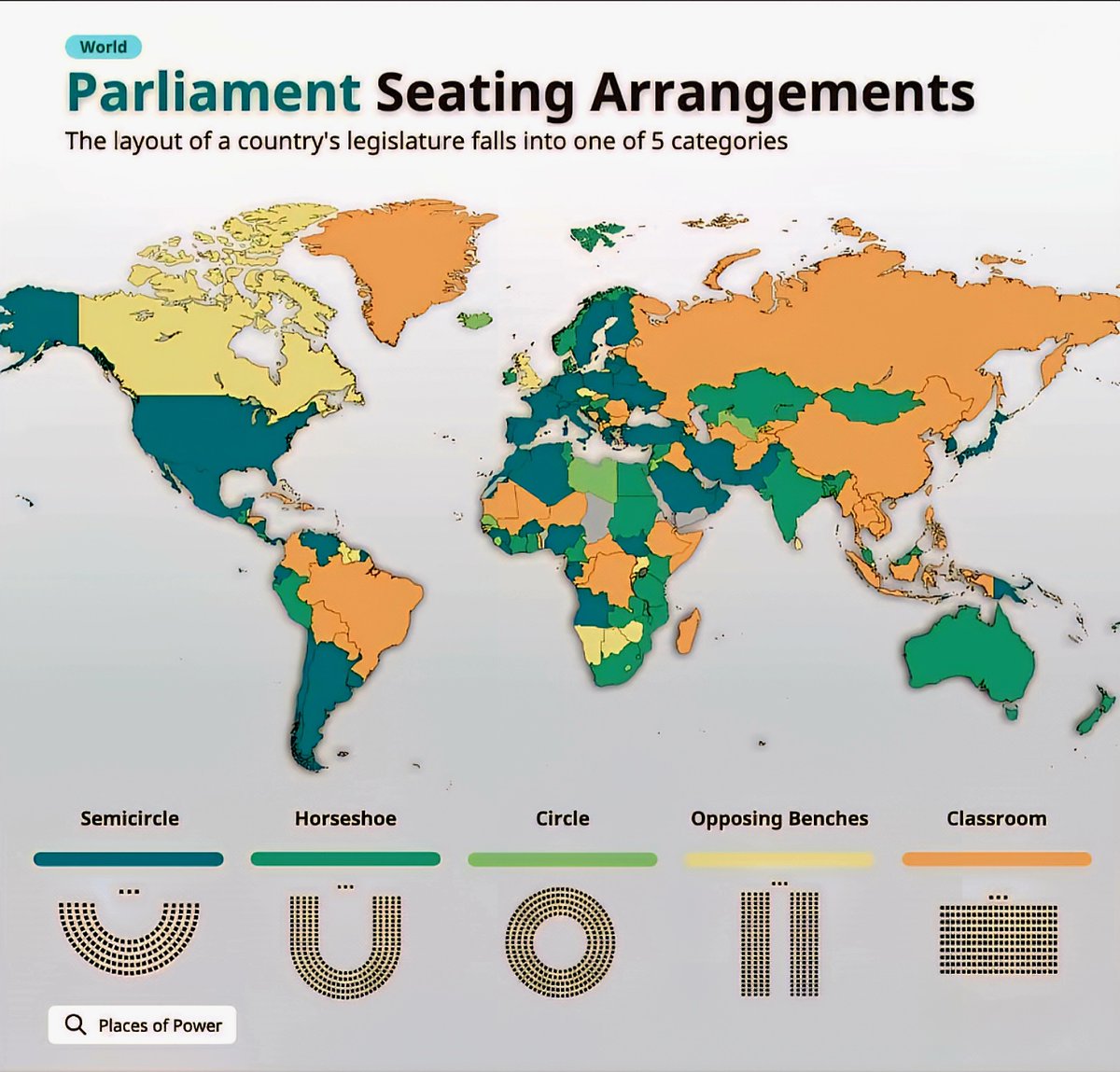
1. Traditional Rows: The Classic Approach
Many countries still adhere to the traditional, straight-row seating arrangement for parliamentary chambers. This setup emphasizes order and discipline, ensuring each representative has a clear view of the speaker and fellow legislators. Countries like the United States and the United Kingdom often use this layout, especially in chambers designed for straightforward debate. However, critics argue that this arrangement can create barriers to collaboration and diminish a sense of unity among members.
2. Circular Seating: Promoting Dialogue and Transparency
In 2025, more nations are adopting circular or semi-circular seating to foster open dialogue and increased transparency. Countries like Sweden and Norway favor this style, which eliminates hierarchical barriers, allowing members to face each other directly. This layout encourages more dynamic debates, making discussions feel more democratic and inclusive. Plus, it helps constituents see their representatives as equals, strengthening accountability.
3. U-Shape and Horseshoe Layouts: Combining Focus and Interaction
Popular in several European countries, U-shape or horseshoe arrangements strike a balance between structured debate and open interaction. This setup allows members to face both the speaker and each other, facilitating more fluid discussion. For instance, Canada’s Parliament employs such arrangements for certain committees, enabling better engagement while maintaining focus on proceedings. These configurations work well for small to medium-sized chambers seeking to boost collaborative dialogue.
4. Modular Seating Systems: Flexibility for Changing Needs
As parliaments evolve, so do their seating plans. Modular seating arrangements, which can be reconfigured as needed, are gaining popularity in 2025. These adaptable systems are common in countries like Australia and Japan, where the chamber layout can shift depending on the event—be it debates, ceremonial functions, or joint sessions. Modular designs promote versatility and maximize space efficiency, making them ideal for multi-use chambers.
5. Electronic and Virtual Seating: The Future of Legislative Gatherings
Advancements in technology have led to the integration of virtual and electronic seating options in Parliament. In 2025, countries like South Korea and Germany are experimenting with hybrid chambers where some members participate remotely via secure live feeds. This innovation not only reduces the need for physical presence but also enhances accessibility for members with health or travel constraints. It represents a significant shift toward more inclusive legislative processes, especially in times of global crises or pandemics.
6. Cultural Influences on Seating Design
Seating arrangements often reflect deep cultural values. For example, some countries incorporate traditional elements—such as intricate woodwork or specific seating conventions—to honor their history. Japan’s Diet, for example, blends modern modular setups with respect for traditional chamber designs, emphasizing harmony and balance. Meanwhile, African nations might incorporate local motifs and arrangements that reflect community-oriented values, ensuring that legislative spaces resonate with national identity.
7. Innovations for Accessibility and Comfort
2025 has seen a remarkable emphasis on making parliamentary chambers more accessible and comfortable for all members. Features like adjustable desks, wider aisles, and dedicated spaces for wheelchair users are now standard. Countries like Canada and New Zealand are leading the way by installing advanced ergonomic furniture and acoustically optimized layouts to accommodate diverse needs and foster an inclusive environment.
8. Eco-Friendly and Sustainable Designs
Sustainability is a growing concern, and many parliaments are rethinking their layouts to reduce environmental impact. From incorporating reclaimed wood to installing energy-efficient lighting, 2025’s parliamentary design trends emphasize eco-conscious choices. Scandinavian nations, notably Sweden and Finland, are pioneering green chambers that not only serve legislative functions but also symbolize environmental commitment through their innovative spaces.
9. Future Trends: Experimenting with Virtual Reality and Holograms
Looking ahead, some parliaments are exploring the cutting edge of technology, such as virtual reality (VR) and holograms, to enhance legislative participation. In 2025, glimpses of virtual chambers where members can interact via hologram projections are not uncommon in experimental setups—potentially transforming how legislative sessions occur globally. These futuristic designs aim to make parliamentary work more immersive, inclusive, and efficient.
As 2025 continues to reshape political architecture, the diversity of parliamentary seating arrangements highlights a growing emphasis on accessibility, technological innovation, and cultural reflection. Countries worldwide are reimagining their chambers to foster more open, collaborative, and sustainable legislative environments.
 ChatGPT
 Perplexity
 Gemini AI
 Grok AI