
Select Language:
The Most Powerful Countries in 2025: A Comprehensive Breakdown
1. The United States Continues to Dominate
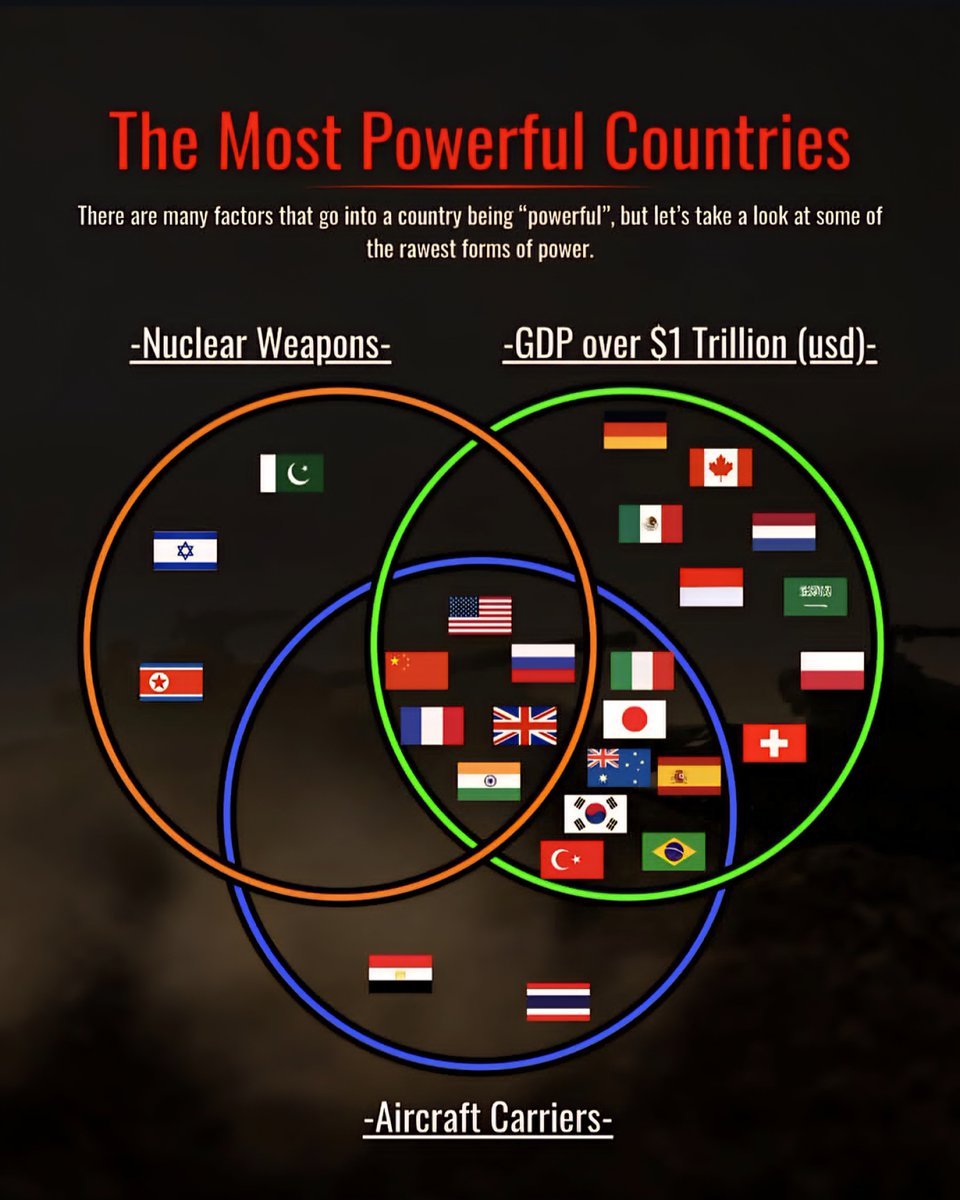
In 2025, the United States retains its position as the world’s most powerful country. Its unparalleled military strength, cutting-edge technology, and high GDP underscore its influence on global affairs. The nation’s strategic military bases worldwide and its technological innovation hubs keep it at the forefront of global power. Additionally, its enduring leadership in sectors like aerospace, cybersecurity, and entertainment gives it a broad influence that extends well beyond borders.
2. China Solidifies Its Superpower Status
China has solidified its position as a global superpower, leveraging rapid economic growth and military modernization. Its Belt and Road Initiative continues to expand, increasing its influence across Asia, Africa, and Europe. The country’s advancements in artificial intelligence, renewable energy, and 5G technology have also contributed to its rising dominance. Politically, China’s assertive stance on international issues signals its readiness to challenge traditional Western influence, cementing its status as a formidable global force.
3. Russia’s Strategic Resurgence
Russia remains a key player on the global stage, bolstered by its military capabilities and strategic alliances. Its recent focus on modernizing nuclear and conventional forces has enhanced its defense profile. Politically, Russia’s influence in Eastern Europe, the Middle East, and Central Asia reflects its ongoing efforts to expand its geopolitical reach. The country also continues to invest heavily in cyber warfare and disinformation campaigns, positioning itself as an influential actor in modern hybrid warfare.
4. India’s Ambitious Rise
India continues its impressive ascent, driven by a young population, technological innovation, and economic expansion. Its growing military strength and diplomatic initiatives have reduced reliance on traditional alliances, forging new partnerships across Africa, Southeast Asia, and Latin America. As India invests vigorously in space research, digital infrastructure, and manufacturing, it increasingly asserts itself as a major global player with aspirations to challenge existing superpowers.
5. The European Union’s United Front
While the European Union is not a single nation, its collective strength makes it a significant power bloc. Economically robust and politically resilient, the EU has championed climate change initiatives, digital regulation, and human rights. The bloc’s unified approach to issues like trade, migration, and security has enhanced its global standing. Though certain member states have individual ambitions, the EU’s cohesion in 2025 underscores its influence in shaping international policy.
6. Japan’s Technological Leadership
Japan remains a major power, especially in robotics, automation, and clean energy technology. Its focus on innovation and sustainability positions it as a key player in combating climate change and advancing global tech standards. Although it maintains a pacifist constitution, recent reforms have increased Japan’s defense capabilities, allowing it to be more assertive regionally — particularly in East Asia.
7. The United Kingdom’s Resilience
Despite Brexit, the UK preserves its global influence through finance, technology, and diplomacy. London continues to be an international financial hub, driving economic stability and innovation. The UK also maintains a robust military presence, especially through its nuclear capabilities and overseas bases. Diplomatic efforts in global organizations and strategic partnerships help uphold Britain’s prominence on the world stage.
8. Brazil’s Growing Regional Power
South America’s largest economy, Brazil, is making strides toward regional leadership. Its rich natural resources, renewable energy potential, and large population provide a solid foundation for its influence. Brazil’s active participation in environmental diplomacy and regional security efforts further establish it as a key player in Latin America, with ambitions to expand its global footprint.
Conclusion
In 2025, the landscape of global power continues to evolve, with traditional superpowers maintaining dominance while emerging nations and blocs carve out their niches. The balance of influence hinges on military strength, technological innovation, economic resilience, and diplomatic agility. As these nations adapt to rapid geopolitical shifts, their collective actions will shape the future world order.
Note: The image provided highlights the global nature of power and influence, illustrating the interconnectedness of these nations in shaping 2025’s geopolitical landscape.
 ChatGPT
 Perplexity
 Gemini AI
 Grok AI