

Select Language:
Understanding Global Shoe Etiquette: A Deep Dive into Indoor and Outdoor Footwear Rules in 2025
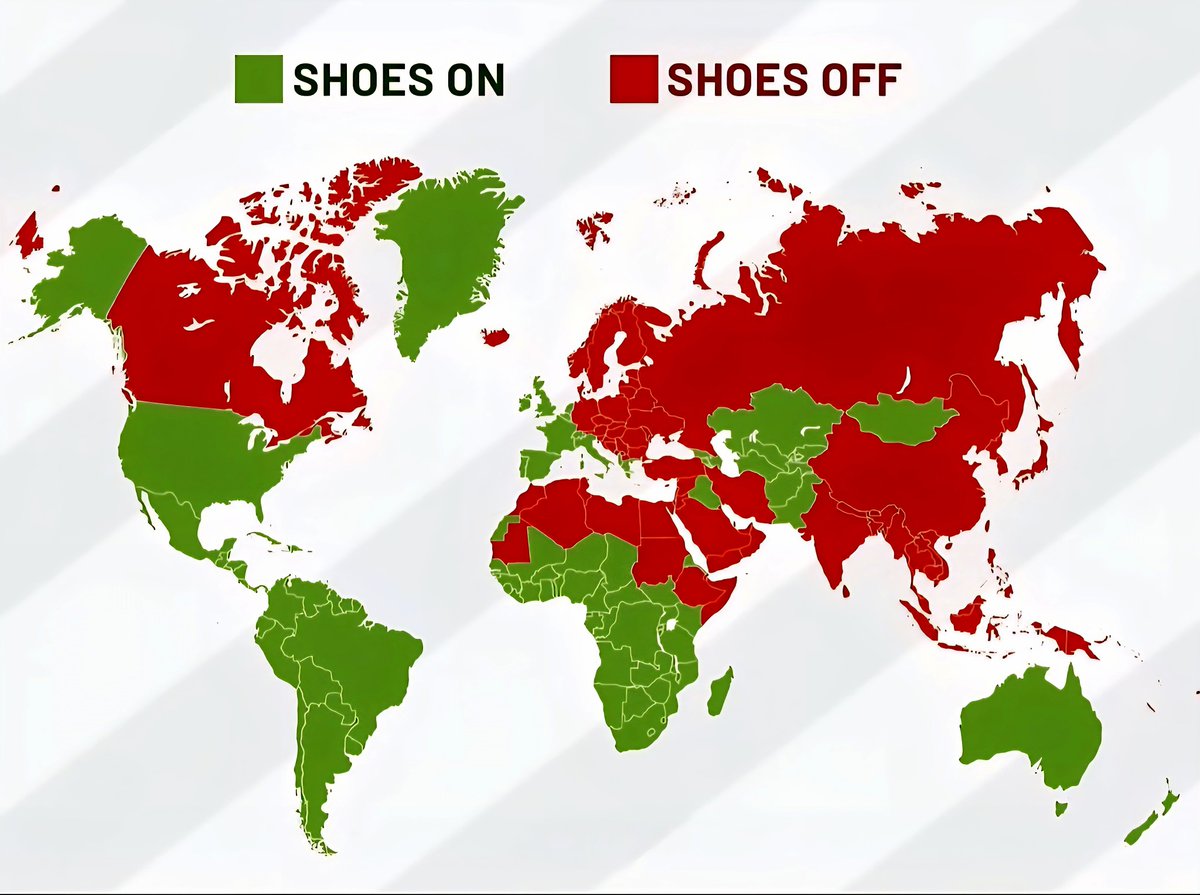
In households across the world, the stance on footwear—whether keeping shoes on or removing them—varies dramatically. These customs reflect culture, tradition, practicality, and even personal preference. As global travel and multicultural living continue to grow, understanding the nuances of indoor shoe etiquette has become an interesting aspect of social interaction.
1. The United States: A Mix of Practices
In the United States, the approach to indoor footwear varies widely depending on regional, cultural, and household factors. While many families typically remove shoes to maintain cleanliness, it’s common to see households that prefer guests keep their shoes on, especially in urban or casual settings.
Some Americans associate shoe removal with respect and cleanliness, especially in more traditional or religious households. Conversely, others might feel less comfortable walking barefoot indoors due to concerns about comfort or hygiene, opting instead for slipper use. This flexible attitude underscores America’s diverse approach to foot hygiene and comfort.
2. Japan: Strict Shoe Policies Emphasize Cleanliness
Japan is renowned for its unwavering commitment to shoe removal upon entering homes, temples, and some traditional restaurants. This custom stems from a long-standing cultural emphasis on cleanliness, respect, and distinction between the outside world and the safe, clean environment inside.
Guests are expected to remove their shoes when entering a Japanese home, often changing into slippers provided by the host. Wearing outdoor shoes indoors is considered disrespectful and could be viewed as bringing dirt or germs into a pristine living space. This practice is so integral that many workplaces and schools also follow similar protocols.
3. Europe’s Diverse Footwear Customs
Across Europe, indoor shoe etiquette varies considerably by country and setting. In Scandinavian nations like Sweden and Norway, it’s common to remove shoes upon entering homes to preserve cleanliness and minimize dirt tracked inside. Many households keep a variety of slippers or indoor shoes for guests.
In contrast, countries such as Italy and Spain tend to be more relaxed, with many households allowing shoes to stay on unless the guests choose otherwise. Some European homes have a tradition of leaving shoes by the door, especially in rural areas, emphasizing comfort over strict cleanliness policies.
4. Middle East: A Cultural Respect for Cleanliness
Many Middle Eastern households emphasize the importance of removing shoes before entering living spaces. This practice aligns with religious and cultural emphasis on cleanliness and respect. It’s common for guests to be offered slippers once they enter a home.
This custom contributes to maintaining a pristine indoor environment, especially important in homes where prayer or religious practices take place. Visitors often follow this practice voluntarily to show respect and cultural sensitivity.
5. Australia and New Zealand: A Lean Towards Convenience
In Australia and New Zealand, the shoe-on or shoe-off debate tends to lean towards flexibility. Many households prefer that shoes remain on due to the country’s casual lifestyle and outdoor culture. However, during colder months or in more traditional homes, removing shoes is appreciated, especially to keep carpets clean or to show respect during visits.
Many hosts appreciate guests removing outdoor shoes when invited to sit on furniture or in more traditional homes, hinting at a growing awareness of cleanliness standards.
6. Asian Countries: A Deep-rooted Respect for Hygiene
Beyond Japan, many other Asian nations share the custom of shoe removal. South Korea, for instance, emphasizes removing shoes upon entering homes, with slippers often provided. In China, the practice varies regionally but is increasingly common, especially in urban settings where cleanliness and hygiene are prioritized.
In India, rules differ depending on regional and household customs, but removing shoes upon entering a home is generally respected and appreciated.
7. Latin America: A Relaxed Attitude with Cultural Variations
In many Latin American countries like Mexico, Brazil, and Argentina, the approach varies. Typically, shoes are removed when entering especially formal or religious settings, but casual home visits might be more relaxed. It is polite to ask or follow the host’s lead—many households appreciate the gesture of removing shoes when asked.
This flexible approach integrates traditional values with modern practicality, balancing comfort and cleanliness.
8. Trends and the Future of Shoe Etiquette
As global cultures blend and lifestyles shift, the practice of shoe removal or keeping shoes on indoors continues to adapt. Some households are adopting hybrid models, such as utilizing indoor-only shoes or slippers that guests can comfortably wear all day.
Furthermore, rising awareness about hygiene, especially in a post-pandemic world, has led more people to consider removing shoes to prevent germs and dirt from spreading. Many furniture and home designers now promote the idea of designated indoor footwear for added convenience and cleanliness.
The customs surrounding indoor and outdoor footwear reveal much about cultural priorities and social courtesies across the globe. Whether sticking strictly to tradition or opting for a relaxed approach, understanding and respecting these differences enhances mutual respect during cross-cultural interactions. As the world becomes increasingly interconnected, embracing these diverse practices can foster better understanding and richer intercultural exchanges.
 ChatGPT
 Perplexity
 Gemini AI
 Grok AI