
Select Language:
Turkey’s Dynamic Landscape: A Closer Look at its European and Asian Sides
European Side of Turkey: A Compact yet Vibrant Region
-
Small but Significant in Size
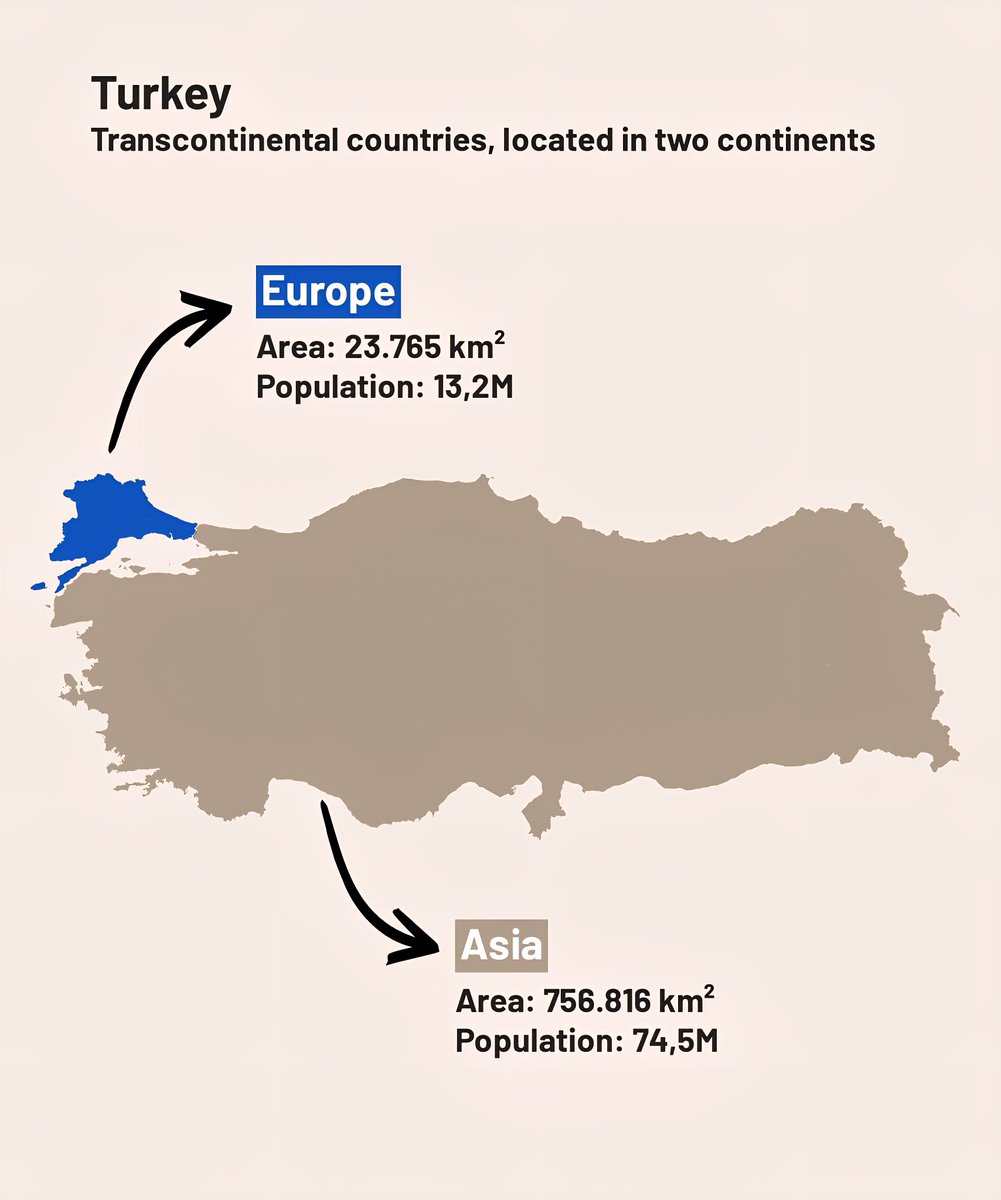
Covering approximately 23,765 square kilometers, the European side of Turkey is a compact yet bustling area that acts as the country’s cultural and economic hub. Despite its relatively small footprint, it boasts a wealth of historical landmarks, modern cityscapes, and vibrant neighborhoods.
ADVERTISEMENT -
Diverse Population Blending Traditions and Modernity
Home to roughly 13.2 million residents, this side of Turkey is renowned for its cosmopolitan atmosphere. It’s a melting pot where ancient traditions blend seamlessly with contemporary lifestyles, making it a fascinating place for locals and tourists alike. The region’s population density also contributes to its energetic vibe, especially in the prominent districts.
-
Historical and Cultural Significance
The European side hosts many of Turkey’s most iconic sites, such as the historic Sultanahmet District, filled with landmarks like Hagia Sophia, the Topkapi Palace, and the Blue Mosque. These attractions not only draw millions of visitors annually but also reinforce the region’s rich history as a crossroads of civilizations.
-
Economic Center of Turkey
As the economic powerhouse, this region is home to Istanbul, Turkey’s financial and commercial hub. The bustling business districts, vibrant markets, and modern infrastructure support a thriving economy that influences the entire country.
Asian Side of Turkey: The Expansive and Growing Region
-
Vast Landmass Extending Over 750,000 Square Kilometers
The Asian side spans approximately 756,816 square kilometers, making it a significant part of Turkey’s landmass. This extensive area is characterized by diverse terrains ranging from coastal plains to rugged mountain ranges, offering ample space for agriculture, residential communities, and natural reserves.
-
Rapid Population Growth with Nearly 75 Million Residents
With around 74.5 million residents, the Asian side houses the majority of Turkey’s population. This region plays a vital role in the country’s demographic makeup, reflecting a diverse mix of ethnicities, cultures, and economic activities.
-
Emerging Economic Hubs and Residential Areas
Notably, the Asian side has seen rapid urban development, with cities like Ankara (the capital), Izmir, Bursa, and others expanding their infrastructure to accommodate growing populations. These cities are becoming centers of commerce, industry, and innovation, contributing substantially to Turkey’s economic future.
-
Cultural Diversity and Natural Beauty
The vast region is known for its scenic coasts along the Aegean and Mediterranean Seas, picturesque towns, and rich agricultural land. It’s also home to cultural landmarks, ancient ruins, and vibrant markets that highlight Turkey’s diverse heritage.
-
Strategic Importance
The Asian side’s strategic position as a bridge between Europe and Asia makes it crucial for international trade routes, energy transit, and diplomatic relations. Its expanding infrastructure and connectivity continue to solidify Turkey’s role as a key geopolitical player in the region.
Key Takeaways on Turkey’s Geographical and Demographic Divide
Turkey’s territorial split between its European and Asian sides reflects a rich tapestry of history, culture, and economic vitality. Although the European region is smaller, its influence in finance, tourism, and heritage remains unmatched. Conversely, the Asian side’s expansive land, booming cities, and diverse population underscore its importance in the nation’s future growth and development.
Understanding these two regions offers valuable insight into Turkey’s unique position as a transcontinental nation—straddling two continents while forging a shared national identity. Whether exploring its historic European districts or experiencing the vibrant growth in its Asian cities, Turkey’s diverse landscape continues to fascinate and inspire all who visit or call it home.
Note: Data reflects the latest figures for 2025, illustrating Turkey’s ongoing growth and development in both regions.
 ChatGPT
 Perplexity
 Gemini AI
 Grok AI