

Select Language:
What’s Behind the Map? Comparing the Metric, Imperial, and Mixed Measurement Systems in 2025
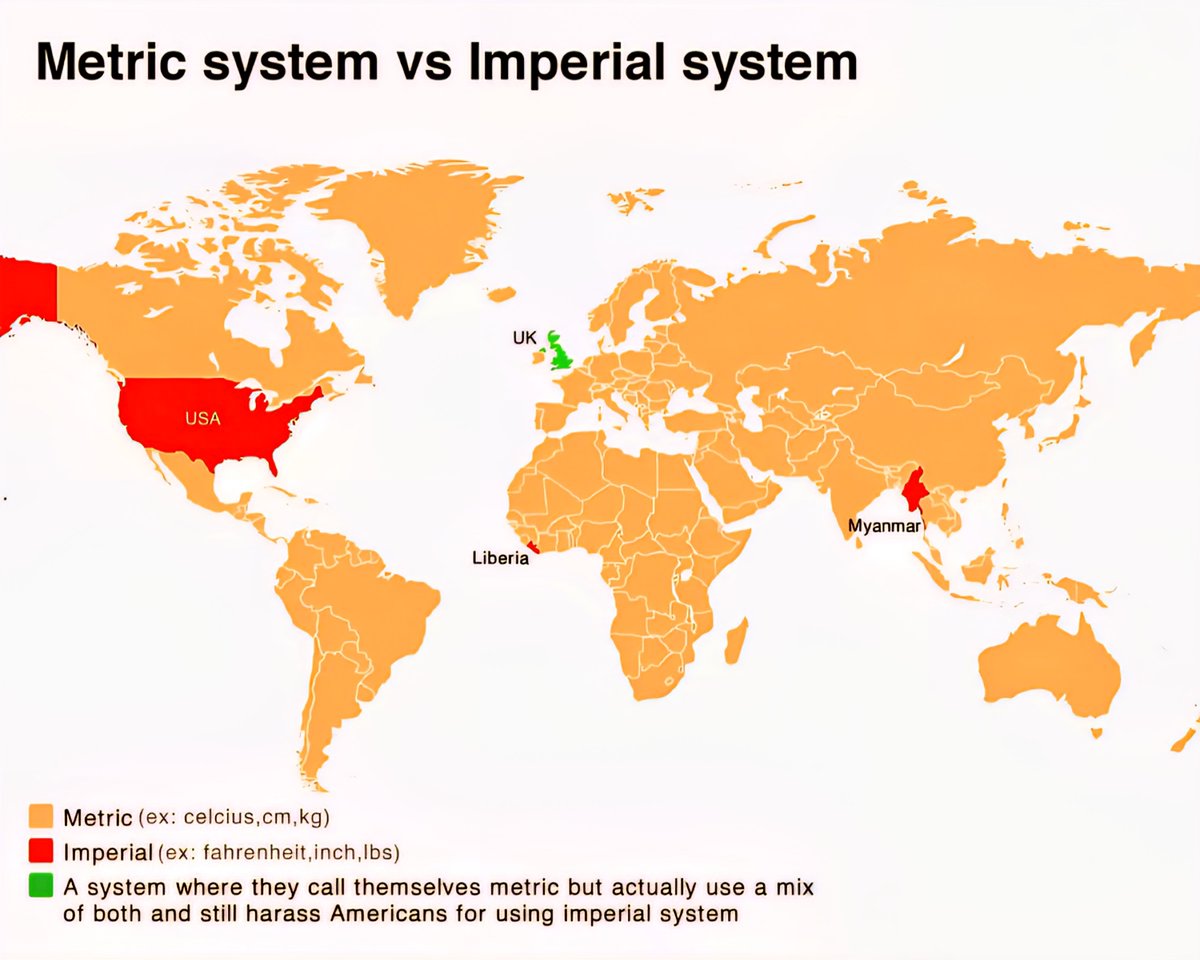
1. The Dominance of the Metric System in Global Standards
In 2025, the metric system continues to be the go-to measurement standard for most of the world. Based on units like Celsius for temperature, centimeters for length, and kilograms for weight, the metric system is praised for its simplicity and logical structure—multiples of ten make calculations and conversions straightforward. Countries such as Canada, Australia, and most European nations have fully adopted the metric system for everyday use, scientific research, and industrial standards. Its widespread acceptance has even extended into emerging markets aiming for international trade, ensuring coherence with global standards.
2. The Persistence of the Imperial System in the United States
Despite the global shift, the imperial system remains prominent across the United States. Fahrenheit for temperature, inches for height, and pounds for weight are deeply ingrained in American daily life, shaping everything from weather reports to construction measurements. While efforts have been made to promote metric adoption, cultural resistance and institutional inertia have kept the imperial system firmly in place. Many Americans view the imperial units as familiar and intuitive—particularly for weather, where Fahrenheit’s temperature scale provides a different experience compared to Celsius.
3. The “Mixed” Measurement Environment: A Hybrid Approach
In 2025, numerous sectors and individuals use a blend of both systems, creating what experts call a “mixed” measurement environment. Officially, many countries have adopted the metric system but still employ imperial units in specific contexts—think miles in road distances or hours and minutes for time, which are somewhat resistant to change. This hybrid approach often causes confusion but also reflects a cultural preference for imperial units in certain domains, such as construction or traditional craftsmanship. As a result, Americans, in particular, often find themselves converting between units, especially when dealing with international products or travel.
4. The Impact of Cultural and Practical Preferences
While scientific and industrial communities push for a universally metric standard, cultural attachment to traditional units persists. Many Americans feel that imperial units provide a more tangible sense of size—an inch feels like a real-world measure, and miles evoke a sense of distance. Conversely, countries adopting the metric system cite benefits such as consistency, efficiency, and ease of learning. This divide influences everything from education policies to manufacturing.
5. The Role of Education and Legislation
In recent years, educational initiatives in the United States have stressed the importance of teaching both measurement systems, highlighting their respective uses and conversions. Legislation has also aimed to encourage metric assimilation, especially in scientific and military contexts, but broad societal change remains slow. Experts believe that the future of measurement systems will depend on how well countries can balance tradition with the need for global interoperability.
6. Technology and the Future of Measuring Units
As technological innovation accelerates, so does the potential for measurement standardization. Smart devices, global positioning systems, and international trade platforms increasingly rely on the metric system, fostering a push toward universal standards. However, user interfaces and consumer preference often uphold imperial units, especially in the U.S. market. Experts predict a continued coexistence, with a gradual shift in education and technology favoring the metric system’s dominance, especially as globalization intensifies.
7. Practical Implications for Travel, Business, and Daily Life
When traveling or conducting international business, understanding both systems is crucial. For instance, knowing that a 37°C temperature is roughly 98.6°F can help travelers navigate different weather reports. For business, products may need dual labels—such as centimeters and inches—to meet international standards. Americans may find themselves toggling between units regularly, especially when engaging with global markets or importing/exporting goods.
In 2025, the measurement system landscape remains a fascinating blend of tradition and progress. While the metric system continues expanding its global footprint, cultural loyalty to the imperial units persists in countries like the United States. The future promises a nuanced coexistence—one shaped by technological advancements, educational efforts, and the ongoing balancing act between practicality and tradition.
 ChatGPT
 Perplexity
 Gemini AI
 Grok AI