
Select Language:
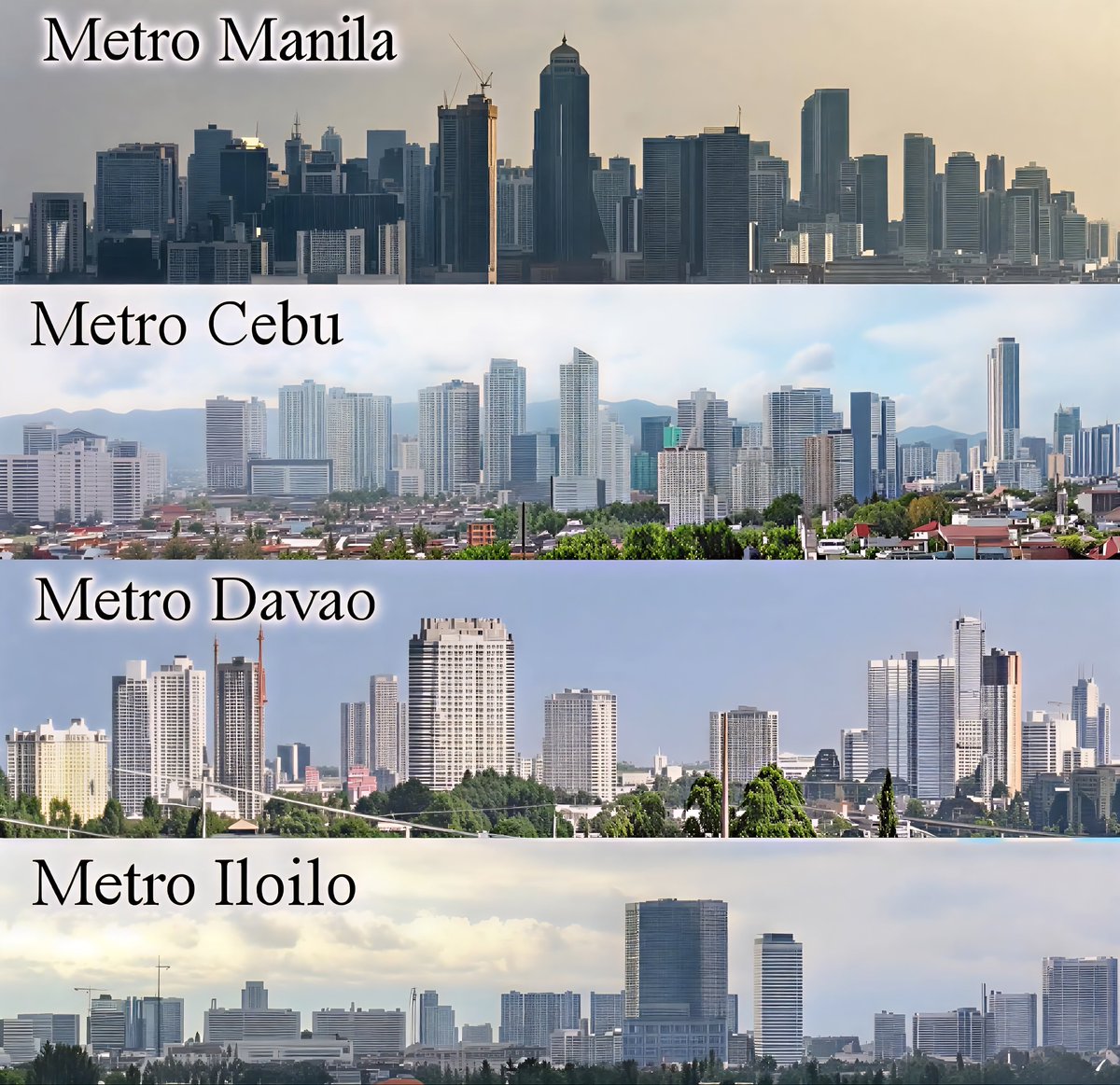
Top Four Urban Hubs Reshaping the Philippines in 2025
1. Metro Manila: The Capital’s Ever-Evolving Pulse
Metro Manila continues to be the economic, political, and cultural heart of the Philippines. As the largest metropolitan area, it boasts a population nearing 13 million residents, positioning it as the country’s most urbanized and diverse cityscape. Over the past year, Manila has seen rapid development, particularly in the areas of infrastructure and technology.
Key investments in new transit systems, like the expansion of the Metro Rail Transit (MRT) and the Metro Manila Subway, aim to reduce congestion and improve mobility. The city remains a hub for international businesses and startups, with several new shopping districts and cultural centers opening up, reflecting its dynamic growth.
The city’s skyline is continually transforming, with skyscrapers pushing higher and newer residential towers sprouting to meet housing demands. Meanwhile, government initiatives are focused on sustainability, aiming to balance urban expansion with green spaces and eco-friendly projects.
2. Metro Cebu: The Rising Business and Lifestyle Destination
Cebu City, often called the “Queen City of the South,” has experienced significant growth as a multi-faceted urban hub. Its strategic location and robust tourism sector have catapulted Cebu into a prominent economic zone in recent years.
In 2025, Cebu’s infrastructure has seen notable enhancements, including the expansion of the Mactan-Cebu International Airport, which now features additional terminals to accommodate increasing passenger traffic. The city is also investing heavily in tech parks and business districts, attracting more foreign and local investors alike.
Cebu’s lifestyle scene is booming, with high-end malls, international hotels, and entertainment centers opening up in the city. Its growing reputation as a “second Manila” for business, leisure, and living makes Cebu a magnet for young professionals and entrepreneurs. Moreover, the development of new residential communities offers affordable yet convenient options for residents, fueling the city’s rapid migration and urbanization.
3. Metro Davao: The Rising Star in Mindanao
Davao City has long been known for its safety, cleanliness, and natural beauty, but it’s now stepping into the spotlight as a vital economic and cultural center in Mindanao.
In 2025, Davao’s economy is booming thanks to improvements in agriculture, manufacturing, and services. The city’s infrastructure projects, including new bridges, roads, and a modernized port, have been instrumental in strengthening regional connectivity. The Davao International Airport has also expanded, making the city more accessible to travelers and investors alike.
The local government has prioritized sustainable urban development, emphasizing green spaces and environmentally friendly projects. New mixed-use developments and shopping malls are reshaping the cityscape, creating a modern metropolis rooted in nature. Tourism continues to thrive as well, with eco-tourism initiatives drawing visitors eager to experience Davao’s unique natural attractions.
4. Metro Iloilo: The Emerging Economic Powerhouse
Historically recognized for its rich cultural heritage, Iloilo City is now gaining recognition as the “next big thing” among urban centers in the Philippines. In recent years, public and private sectors have collaborated on projects to modernize the city while preserving its history.
In 2025, Iloilo’s infrastructure is significantly upgraded, including the completion of the Iloilo International Airport’s modernization and the construction of new bypass roads to ease traffic congestion. The city’s emphasis on education and tourism has led to a burgeoning student population and a growing number of heritage tourism ventures.
The development of new business districts has attracted startups and tech firms, positioning Iloilo as a burgeoning destination for innovation. Its strategic location along the Western Visayas makes it a vital port and trade hub, further fueling economic growth. Local government initiatives focus on developing smarter infrastructure and sustainable urban planning, promising a balanced blend of progress and cultural preservation.
As the Philippines advances into 2025, these four metro areas exemplify the country’s rapid modernization and urban resilience. From Manila’s bustling economy to Iloilo’s vibrant cultural renaissance, these cities are setting the stage for a more connected, sustainable, and prosperous future.
Note: The content reflects current developments and projections as of 2025.
 ChatGPT
 Perplexity
 Gemini AI
 Grok AI