Select Language:
Top Countries with the Largest Oil Reserves in 2025
Venezuela Leads the World with the Most Oil Reserves
Venezuela has maintained its position as the nation with the largest proven oil reserves, boasting an impressive 303 billion barrels as of 2024. Despite economic challenges over the years, the country’s vast oil fields continue to be a significant asset in the global energy landscape. The country’s state-owned oil company, PDVSA, oversees much of the exploration and extraction activities, though recent years have seen efforts to diversify its economy.
Saudi Arabia and Iran Continue to Dominate the Middle East
Saudi Arabia remains the second-largest holder of oil reserves, with approximately 267 billion barrels. Its massive fields, including Ghawar—one of the largest on the planet—solidify its position as a pivotal player in global oil markets. Iran follows with around 209 billion barrels in reserves. Both countries are fundamental members of OPEC, influencing global oil prices and supply strategies significantly.
Canada and Iraq: North American and Middle Eastern Powerhouses
Canada’s oil reserves rank fifth worldwide, with an estimated 163 billion barrels, primarily stored in Alberta’s oil sands. The development of these reserves has become increasingly sustainable and technologically advanced, positioning Canada as a key energy exporter.
Iraq’s proven reserves stand at approximately 145 billion barrels. Its vast fields, such as Rumaila, continue to be vital in maintaining regional stability and energy exports, despite ongoing geopolitical challenges.
United Arab Emirates, Kuwait, and Russia: Strategic Reserve Holders
The UAE is home to about 113 billion barrels of reserves, positioning it as an influential Gulf Cooperation Council member. Kuwait’s reserves are just over 102 billion barrels, emphasizing its role in OPEC’s production policies.
Russia has approximately 80 billion barrels, making it a critical energy supplier for Europe and Asia. Its reserve base supports extensive domestic production and global exports, even amidst geopolitical tensions.
Libya and the United States: North African and American Reserves
Libya holds around 48 billion barrels, with extensive reserves located amidst ongoing political unrest. The U.S., with an estimated 45 billion barrels, is one of the leading oil producers globally, thanks to shale oil extraction, which has transformed its energy sector in recent years.
Emerging and Developing Countries with Notable Reserves
Nigeria, with 37 billion barrels, remains Africa’s top oil producer, contributing significantly to the continent’s economy. Kazakhstan (30 billion barrels) and China (28 billion) are also notable, driving energy growth in Eurasia.
Brazil and Algeria follow, with 16 and 12 billion barrels respectively, expanding their influence in the global energy market.
Other Significant Oil Reserve Countries
Ecuador, Azerbaijan, Norway, and Mexico have reserves ranging from 8 to 5 billion barrels, contributing to regional energy access and export capabilities.
Countries like Vietnam, Egypt, Argentina, Malaysia, and Angola possess smaller but strategically vital reserves, often tied to regional stability and economic development.
Smaller Reserves and Future Potential
Countries such as Indonesia, Colombia, Gabon, and Congo hold reserves varying from 2 to 3 billion barrels. These nations often focus on increasing exploration efforts to tap into their potential.
Australia and the United Kingdom maintain around 2 billion barrels, primarily focusing on offshore and unconventional reserves.
Emerging Markets and Recent Developments
Brunei and Equatorial Guinea, with reserves around 1 billion barrels, are boutique players in the global oil scene. Turkmenistan and Uzbekistan have around 600 million barrels each, with ongoing exploration projects aimed at boosting their reserves.
Ukraine, Belarus, and Chile have relatively small reserves — from 200 million to 150 million barrels — but are increasingly focusing on energy diversification strategies.
As of 2024, the global oil reserve landscape continues to evolve. Countries with the most abundant reserves remain pivotal in shaping worldwide energy policies, economic stability, and geopolitical relations. The ongoing development of unconventional reserves, such as oil sands and shale formations, promises to reshape future supplies and market dynamics.
Note: Figures are based on data compiled as of the end of 2024, including oil sands and unconventional reserves. Data sources include OPEC and national reports.
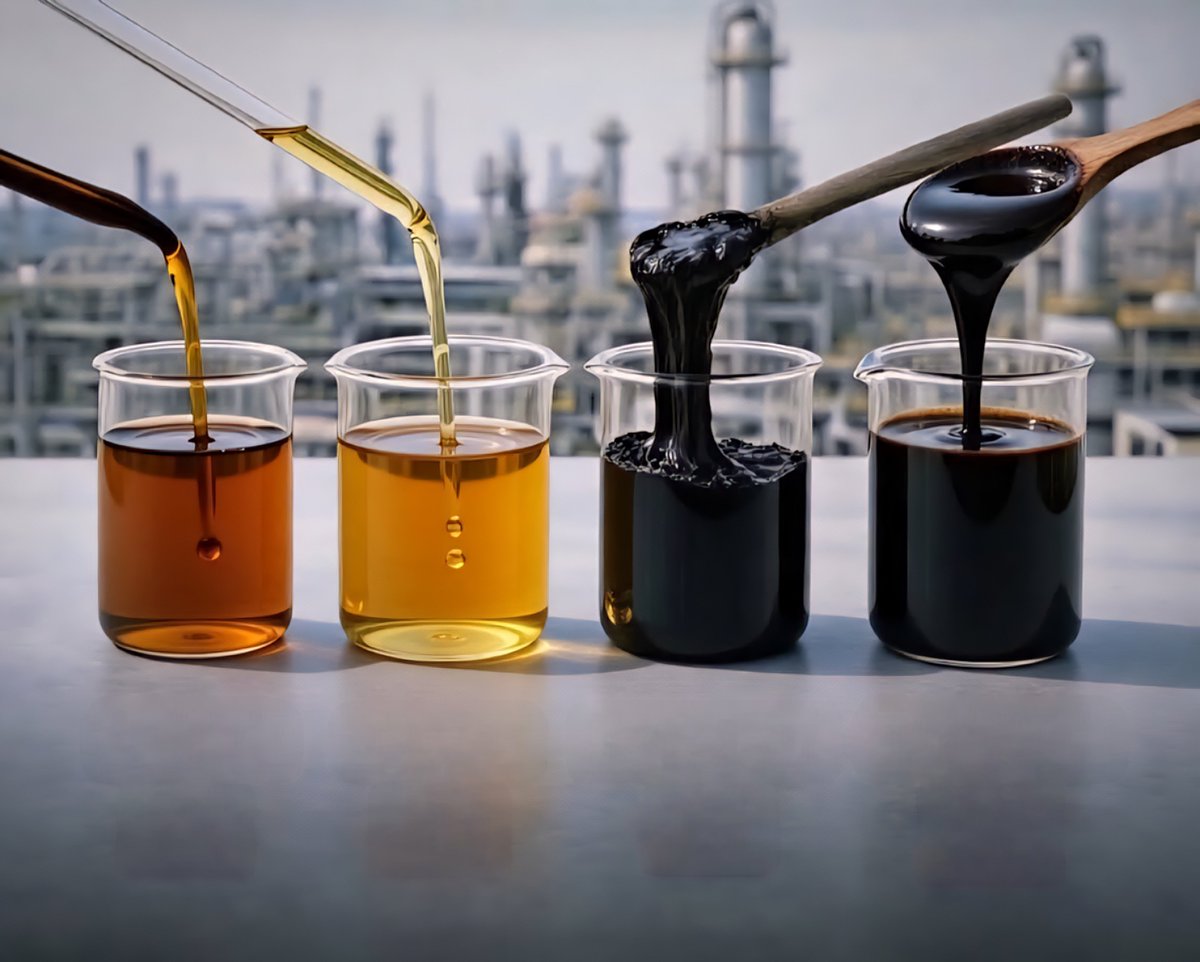
[Image of oil barrels and exploration rigs, capturing the essence of the global oil industry]
 ChatGPT
 Perplexity
 Gemini AI
 Grok AI