

Select Language:
What International IQ Levels Reveal About Cognitive Trends in 2025
In 2025, understanding average IQ scores across different nations offers valuable insights into global cognitive development, educational advancements, and socio-economic patterns. Recent data, combined with research from intelligence experts, sheds light on how various factors influence intelligence levels worldwide.
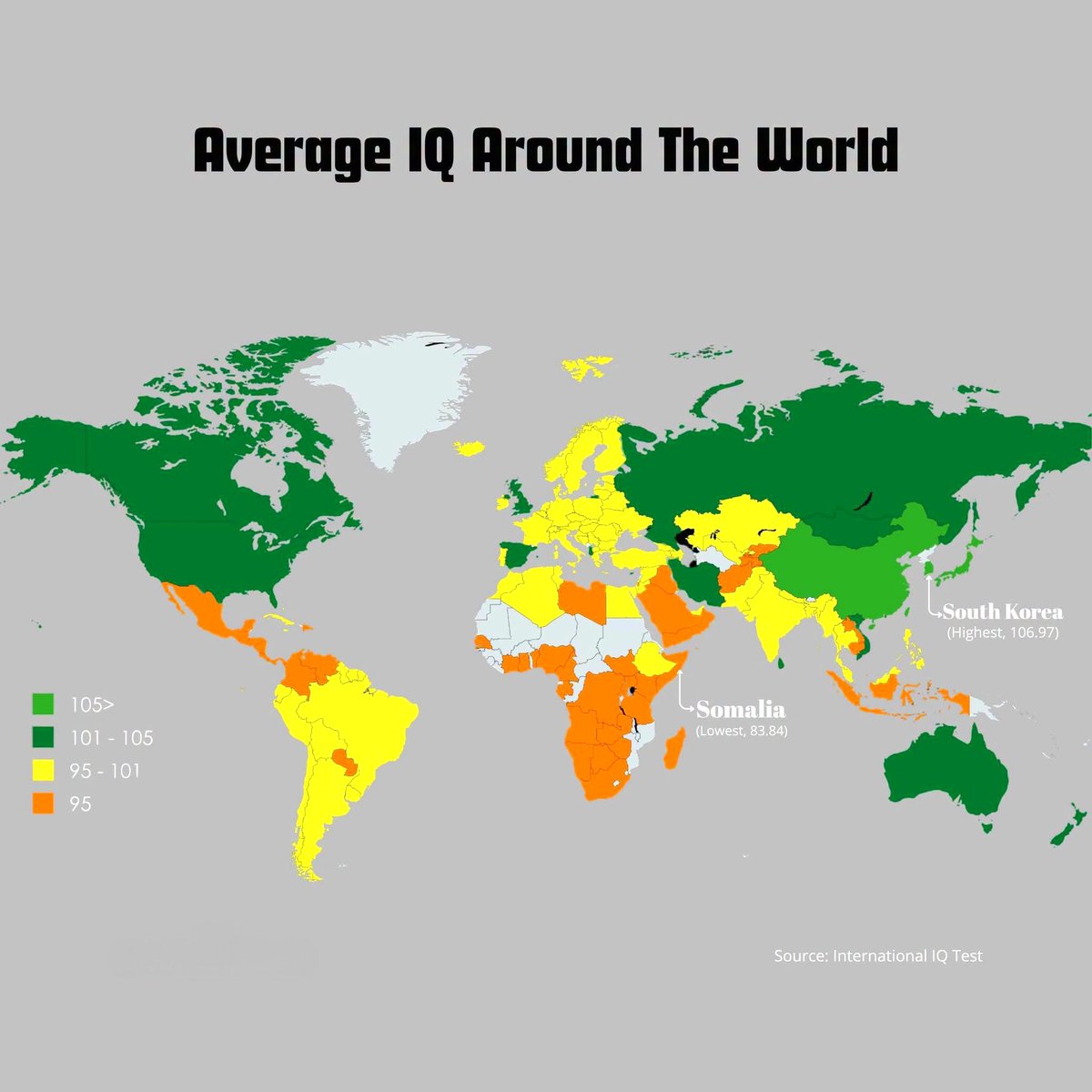
1. Asia Continues to Lead in Average IQ Scores
Asian countries maintain some of the highest average IQ scores globally, with regions like East Asia often surpassing other continents. Countries such as South Korea, Japan, and Singapore consistently report averages close to or above 105. This trend is attributed to robust educational systems, early childhood development programs, and investments in technology and innovation. South Korea, for example, has integrated comprehensive learning methods that foster critical thinking and problem-solving skills, which reflect positively on IQ assessments.
2. Scandinavian Countries Exhibit High Educational Attainment and IQ Results
Nations like Finland, Norway, and Sweden continue to showcase high average IQ scores, generally around 100 to 105. These countries prioritize education equity, healthcare, and social welfare, which collectively contribute to cognitive development. Their emphasis on early childhood education and supportive learning environments helps sustain high performance levels in intelligence testing.
3. North American IQ Scores Reflect Socioeconomic Diversity
In the United States and Canada, averages hover near 98 to 100. While these figures are considered around the global mean, disparities exist within the countries due to socioeconomic inequalities. Urban areas with quality schools and access to resources tend to outperform rural regions and marginalized communities. Policy efforts aimed at improving education access continue to influence rising scores in various states and provinces.
4. European Countries Show Variability Based on Historical and Economic Factors
Western European nations like Germany, France, and the Netherlands report average IQ scores roughly between 99 and 102. Economic stability, educational initiatives, and cultural emphasis on intellectual pursuits play key roles. Countries with ongoing economic challenges or political instability may display slightly lower averages, illustrating the impact of societal factors on cognitive metrics.
5. Latin America and the Caribbean Face Challenges in Raising Average IQs
Average IQ scores in Latin American nations tend to range between 85 and 95. Factors such as poverty, limited educational infrastructure, and health issues influence these figures. Some countries, like Chile and Costa Rica, have made notable progress through investments in education and healthcare, aiming to elevate cognitive development across their populations.
6. African Nations Show Diverse Trends in IQ Measurements
Recent data indicates a broad range of average IQ scores in Africa, typically from 70 to 85. Variability is influenced by access to quality education, health services, and nutrition. South Africa and Nigeria are among the nations making strides to improve cognitive metrics through targeted development programs, though challenges remain in reaching higher averages continent-wide.
7. The Impact of Education and Nutrition on Global IQ Patterns
Across the globe, educational quality and nutrition significantly shape IQ outcomes. Countries investing in early childhood education, access to health services, and nutrition programs tend to see gains in intelligence scores over time. For example, initiatives in Southeast Asia and parts of Africa aim to address malnutrition and educational disparities, promising improvements in future assessments.
8. The Link Between Socioeconomic Status and IQ Scores
Research consistently demonstrates a correlation between socioeconomic status and IQ. Wealthier families often provide better access to educational resources, nutrition, and healthcare, leading to higher average scores. Conversely, regions with economic hardship tend to report lower average IQs, emphasizing the need for holistic development policies to bridge these gaps.
9. The Role of Technology and Innovation in Cognitive Development
The proliferation of digital learning tools and technological access has begun influencing IQ scores in 2025. Countries integrating advanced technology into classroom settings are witnessing improvements in cognitive skills, especially in critical thinking and problem-solving. This trend suggests that continued innovation in education may help raise IQ averages in developing regions.
10. Future Directions and the Continued Quest for Knowledge
As nations prioritize education, health, and technological integration, global IQ averages are expected to evolve. Researchers emphasize the importance of comprehensive strategies that address socio-economic disparities, nutrition, and learning quality. Understanding these patterns helps policymakers craft initiatives that foster cognitive development for all populations.
In summary, the worldwide landscape of IQ scores in 2025 reveals the profound influence of education systems, economic stability, nutrition, and technological access. Countries that invest in holistic development tend to outperform others, highlighting a universal truth: fostering intelligence requires multidimensional support and unwavering commitment to progress.
 ChatGPT
 Perplexity
 Gemini AI
 Grok AI