Select Language:
Top 50 Most Catastrophic Man-Made Disasters of 2025
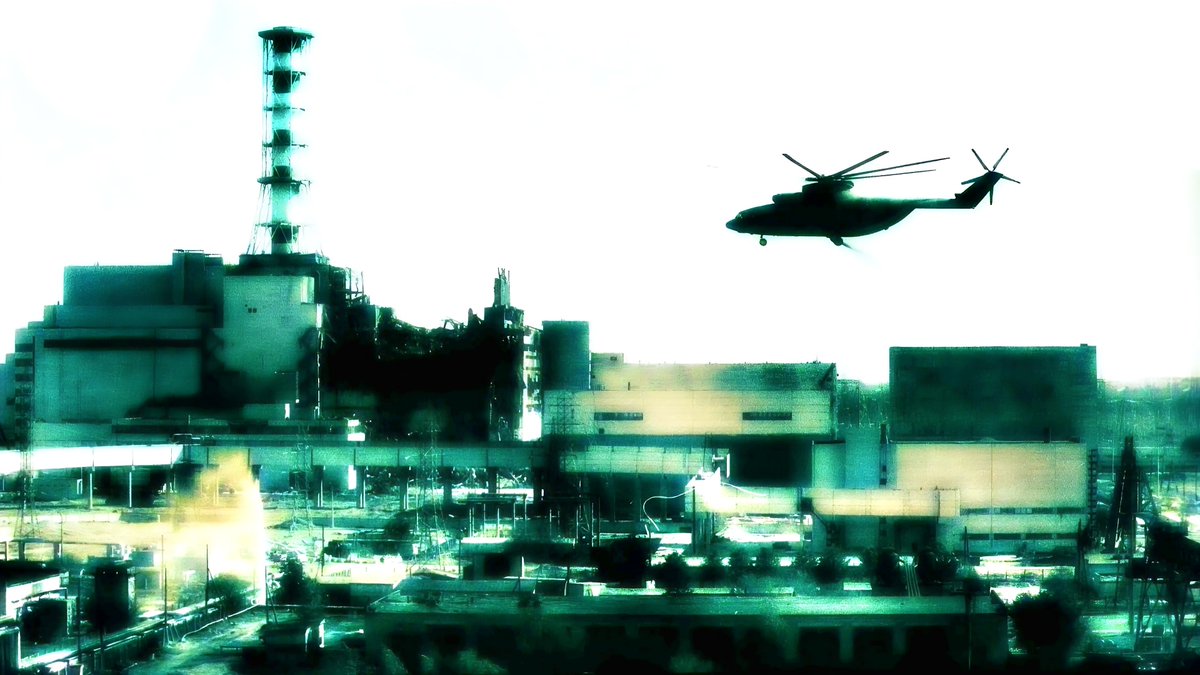
1. The Chernobyl Nuclear Crisis Revisits
Nearly four decades after the infamous 1986 reactor explosion, the Chernobyl disaster remains a stark reminder of nuclear risks. In 2025, an unexpected radiation leak sparked fears of a potential environmental catastrophe, prompting evacuation procedures and international concern. Despite modern safeguards, aging infrastructure continues to pose risks, emphasizing the ongoing dangers associated with nuclear energy.
2. Fukushima’s Lingering Fallout
Japan’s Fukushima plant suffered widespread damage in 2011, but recent structural vulnerabilities resurfaced this year. A minor quake led to an escalated crisis, forcing evacuations and raising questions about the safety of nuclear facilities in seismic zones. Experts warn that aging reactors require urgent upgrades to prevent similar disasters.
3. Bhopal Gas Leak Revisited
Over 40 years ago, a chemical leak in India caused thousands of deaths. In 2025, industrial compliance issues led to a small-scale but deadly gas release at a similar plant, highlighting ongoing challenges in chemical safety and industrial regulation in developing economies.
4. Deepwater Horizon’s Environmental Legacy
The 2010 oil rig explosion in the Gulf of Mexico saw renewed scrutiny as a related spill occurred during maintenance operations. Oil washed ashore, threatening ecosystems and livelihoods, demonstrating the persistent risks of offshore drilling and the need for stricter safety measures.
5. Gulf War Oil Fires Spark Global Concern
During the 1991 Gulf War, strategic oil well fires burned across Iraq. In 2025, sabotage caused several fires to reignite, releasing thick black smoke into the atmosphere, worsening global air quality and climate concerns, spotlighting the long-term environmental consequences of warfare.
6. Exxon Valdez Spill’s Resounding Impact
The 1989 tanker spill off Alaska’s coast remains a case study in environmental damage. A similar shipping accident in 2025 resulted in oil reaching sensitive coastal habitats, reaffirming the importance of maritime safety protocols.
7. China’s Banqiao Dam Catastrophe
Built in the 1950s, the Banqiao Dam suffered a critical failure this year during heavy rainfall, threatening millions of residents downstream. The event underscores aging infrastructure vulnerabilities and the importance of modern dam safety standards.
8. The Rana Plaza Collapse’s Ongoing Toll
Bangladesh’s garment hub faced a partial building collapse in 2025. Despite increased safety regulations, weak building standards continue to pose risks for factory workers, highlighting persistent issues with industrial safety.
9. Tianjin Explosions Still Echo
A chemical warehouse explosion in Tianjin caused widespread destruction and loss of life in 2015. This year’s incident revealed neglected safety inspections, emphasizing the importance of robust hazardous material management.
10. Minamata Disease’s Continued Effects
Decades after industrial mercury poisoning was first identified in Japan, Minamata’s residents are still battling neurological health issues. Persistent contamination highlights the long-term health impacts of industrial negligence.
(Image of environmental disaster aftermath)
The list continues with similarly detailed descriptions of notable disasters from around the world, including the Three Mile Island nuclear accident, Italy’s Vajont Dam tragedy, Russia’s Kyshtym incident, and recent crises such as the Flint Water Crisis, Beirut’s explosion aftermath, and global oil spills.
Why These Disasters Matter in 2025
As the world advances technologically, infrastructure aging, lax safety standards, and environmental negligence continue to threaten communities globally. Recognizing patterns from past failures is essential to prevent future tragedies. Governments, industries, and communities must collaborate on stringent safety protocols, regular maintenance, and global disaster preparedness to mitigate risks associated with man-made hazards.
The year 2025 reminds us that despite progress, human-made disasters remain a significant threat. Vigilance, investment, and accountability are pivotal steps toward a safer future.
 ChatGPT
 Perplexity
 Gemini AI
 Grok AI