
Select Language:
The 2026 List of the World’s Most Dangerous Countries: An In-Depth Look
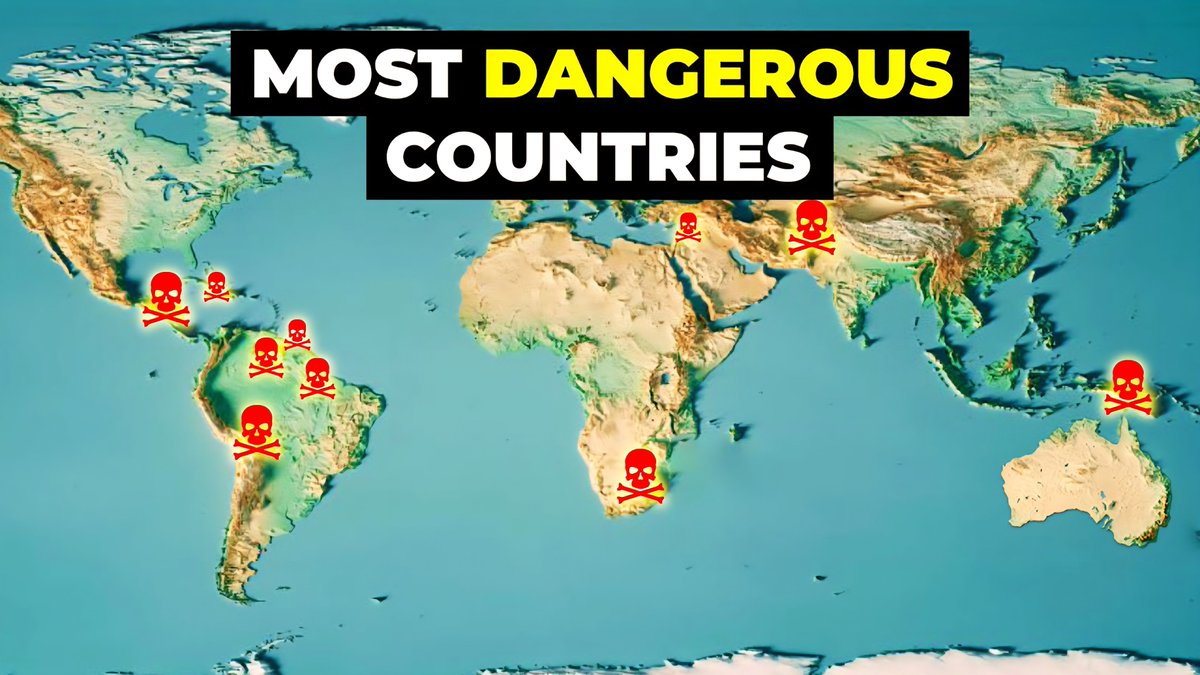
1. Papua New Guinea Ranks Highest for Risk Factors
No stranger to safety challenges, Papua New Guinea tops the list as the most perilous country in 2026. With a high crime perception score, visitors and locals alike face significant threats from mugging, robbery, and violent assaults. The country’s economic instability and limited law enforcement resources contribute to elevated risks of property crimes such as car theft and burglary. Traveling alone in parts of Papua New Guinea is fraught with danger, making it imperative for travelers to stay vigilant and avoid isolated areas.
2. Venezuela Continues Its Troubled Path
Venezuela remains dangerously unstable, with crime rates exacerbated by ongoing political turmoil. Crime indices reflect a high likelihood of physical assaults, harassment, and theft, especially in urban centers. Its widespread corruption further hampers efforts to improve safety, creating an environment where drug issues and violent crimes flourish. This makes Venezuela one of the most hazardous destinations for residents and visitors alike.
3. Haiti Faces Mounting Security Concerns
Haiti’s long-standing political crisis, economic despair, and natural disasters have left the nation vulnerable. Crime, including armed robbery and kidnapping, is widespread and poses serious risks. The country’s infrastructure struggles to support law enforcement and emergency services, intensifying issues of property crimes and violent attacks. Travelers are advised to avoid non-essential journeys and stay updated on local security advisories.
4. Afghanistan Remains a Hazardous Zone
Despite international efforts, Afghanistan consistently ranks among the most dangerous countries. The persistent conflict, insurgent activities, and insurgent-controlled areas heighten risks of physical violence, kidnapping, and terrorism. Access to basic services remains limited, and areas outside the capital are considered unsafe for travelers and residents alike.
5. South Africa’s Crime Wave Persists
South Africa’s high crime index is driven by pervasive issues like mugging, carjacking, and home burglaries. Urban areas, especially Johannesburg and Cape Town, report elevated risks of physical attacks and harassment. Socio-economic disparities continue fueling property and violent crimes, making safety precautions an absolute necessity for locals and tourists.
6. Honduras’ Volatile Environment
Honduras faces ongoing struggles with organized crime and gang violence, significantly impacting safety. Gun-related violence, robberies, and assaults are commonplace, especially in certain neighborhoods. Road safety is also a concern, with frequent reports of vehicle thefts and burglaries. International travelers are urged to exercise caution and remain aware of their surroundings.
7. Trinidad and Tobago’s Safety Challenges
While known for its vibrant culture and beautiful landscapes, Trinidad and Tobago has experienced rising crime rates, including drug-related issues and violent robberies. Crime incidents often involve firearms, and some coastal areas have reported safety issues for boaters and swimmers. Personal security measures are essential for both locals and visitors.
8. Syria’s Ongoing Conflict
With years of conflict still unresolved, Syria remains one of the most dangerous countries. Ongoing violence, terrorism, and instability create a perilous environment. Infrastructure damage severely limits access to essential services, and many areas remain unsafe due to active conflict zones.
9. Jamaica’s Crime Concerns
Jamaica, famous for its beaches and music, faces significant challenges with violent crime, including gun violence and assaults. Tourist hotspots are safer but still require caution, especially after dark. The country continues to battle gang-related violence and property crimes, urging travelers to stay vigilant.
10. Guyana’s Rising Crime Rates
Recent increases in violent crime and property theft have pushed Guyana up the danger rankings. Political tensions, economic hardship, and inadequate law enforcement contribute to the volatile environment. Travelers should be cautious and avoid displaying valuables openly.
Insight into Global Crime Index Factors
The ranking is based on multiple crime index factors such as overall perception of safety, risk of mugging and robbery, car theft, property crimes (burglary), physical threats, harassment, drug issues, and levels of violent crime and corruption. Countries with ongoing conflicts, political instability, or economic struggles tend to record higher risks across these factors, explaining their perilous standings in 2026.
Stay Informed and Prioritize Safety
While these rankings highlight dangerous areas globally, they also serve as a reminder of the importance of staying informed and prepared. Whether traveling or residing in these regions, practicing personal safety protocols and remaining updated on local developments can significantly reduce risks.
Source: Numbeo Crime Index 2026
 ChatGPT
 Perplexity
 Gemini AI
 Grok AI