Select Language:
The Divided Map of Wealth: North’s Prosperity vs. South’s Struggles
1. The Shape of Wealth: Visualizing the North and South Divide
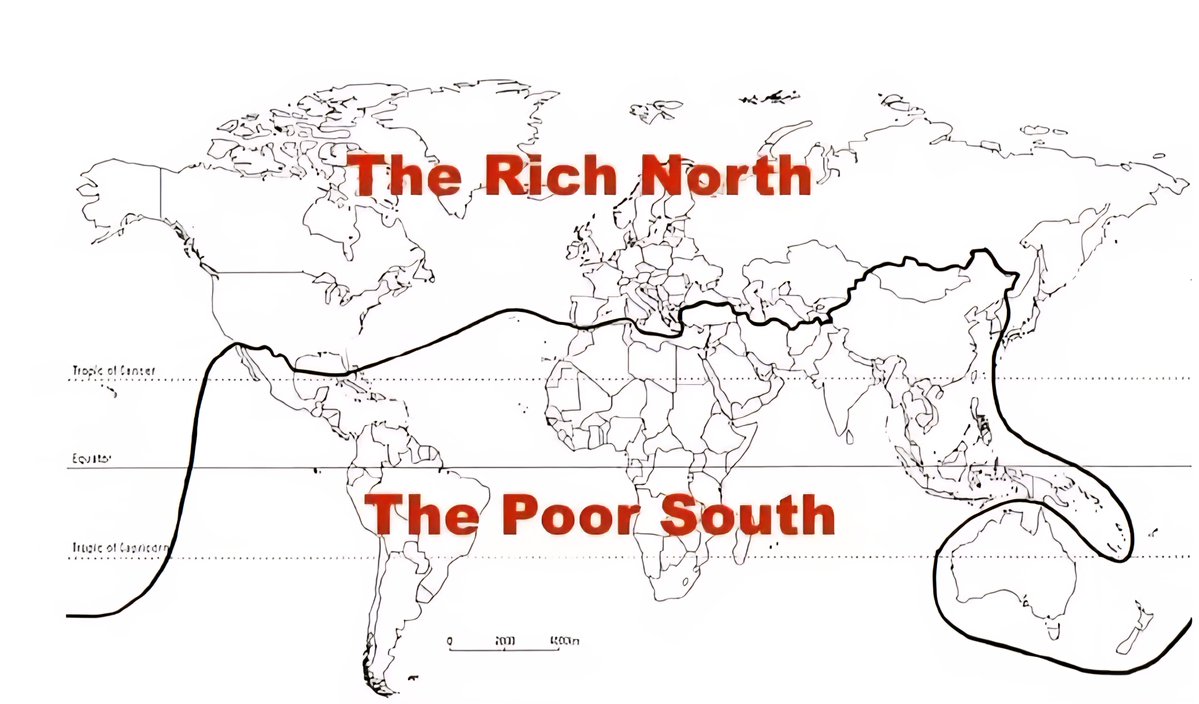
A new map circulating on social media has caused quite a stir among economists and policymakers alike. It vividly portrays the stark contrast in economic prosperity across the United States, with the northern regions shining in hues of wealth, while the southern counterparts appear significantly less affluent. The map’s striking visual representation highlights the lingering disparities in income levels, quality of life, and economic opportunities, sparking debates about regional policies and future development plans.
2. Economic Powerhouses in the North
The upper regions of the country, especially the Northeast and parts of the Midwest, are shown to be bursting with economic activity. Cities like New York, Boston, Chicago, and Minneapolis are markers of wealth, innovation, and high living standards. These areas have attracted major corporate headquarters, vibrant financial districts, and a highly educated workforce that continues to drive regional growth.
Key factors contributing to Northern wealth include:
- Robust Financial Sectors: Wall Street remains the financial hub of the U.S., pumping billions into the economy annually.
- Tech and Innovation: Cities like Boston and Chicago are emerging hubs for technology startups and innovation centers.
- Educational Institutions: Proximity to world-renowned universities fuels a highly skilled workforce.
3. The Southern Struggle: From Top to Bottom
In stark contrast, the map also highlights the significant economic struggles faced by large parts of the southern United States. The sunlight-drenched states stretching from Texas down to Florida appear generally shaded towards the less affluent spectrum, illustrating persistent income gaps.
Factors behind the economic hardships include:
- Limited Industrial Diversity: Many southern states heavily depend on agriculture and low-wage manufacturing, making their economies less resilient.
- Lower Median Incomes: Data shows median household incomes tend to lag behind national averages in these regions.
- Educational Gaps: Lower levels of higher education and specialized skills contribute to fewer high-paying job opportunities.
- Healthcare and Infrastructure Challenges: Underfunded healthcare and infrastructure impact economic growth and quality of life.
4. Historical Roots and Ongoing Impacts
This map isn’t just a snapshot of current disparities; it’s a mirror reflecting historical inequalities rooted in geography, industry shifts, and social policies. The North’s industrial boom of the 19th and early 20th centuries laid a fertile ground for wealth accumulation, whereas the South, with a legacy of agricultural dominance and limited industrialization, faced slower economic development.
These disparities continue to influence modern debates on:
- Federal funding and resource distribution
- Education and workforce development programs
- Infrastructure investments aimed at boosting southern economies
5. Future Trends: Will the Divide Narrow or Widen?
Looking ahead into 2025, experts remain divided on whether this geographical wealth divide will narrow or exacerbate further. Some believe that technological advancements, remote work trends, and targeted investments could foster growth in traditionally poorer southern regions. Meanwhile, critics warn that without comprehensive policy reforms addressing education, healthcare, and infrastructure, the gap may deepen.
Emerging initiatives aiming to bridge the divide include:
- Federal Economic Stimulus Plans: Focused on infrastructure and technology upgrades in underserved areas.
- Public-Private Partnerships: Encouraging investments in education and industry to diversify local economies.
- Urban Revitalization Projects: Repurposing industrial zones in southern cities to attract new businesses and residents.
6. The Human Cost of Economic Disparities
Beyond figures and maps, these wealth disparities affect millions of Americans’ daily lives—from access to quality healthcare to educational opportunities and safe neighborhoods. The divide isn’t just about outdated borders; it’s a human story about unequal chances and the ongoing quest for economic mobility.
In conclusion, this striking map of the North’s wealth contrasted with the South’s struggles serves as a call to action. Addressing these disparities requires not only regional investments but a comprehensive, nationwide effort to create a more equitable economic landscape for everyone.
Note: The visual aid accompanying this article vividly illustrates the map’s message and provides a clear, geographic depiction of the wealth distribution across the United States.
 ChatGPT
 Perplexity
 Gemini AI
 Grok AI