
Select Language:
Countries That Have Declared Interest in Greenland’s Sale
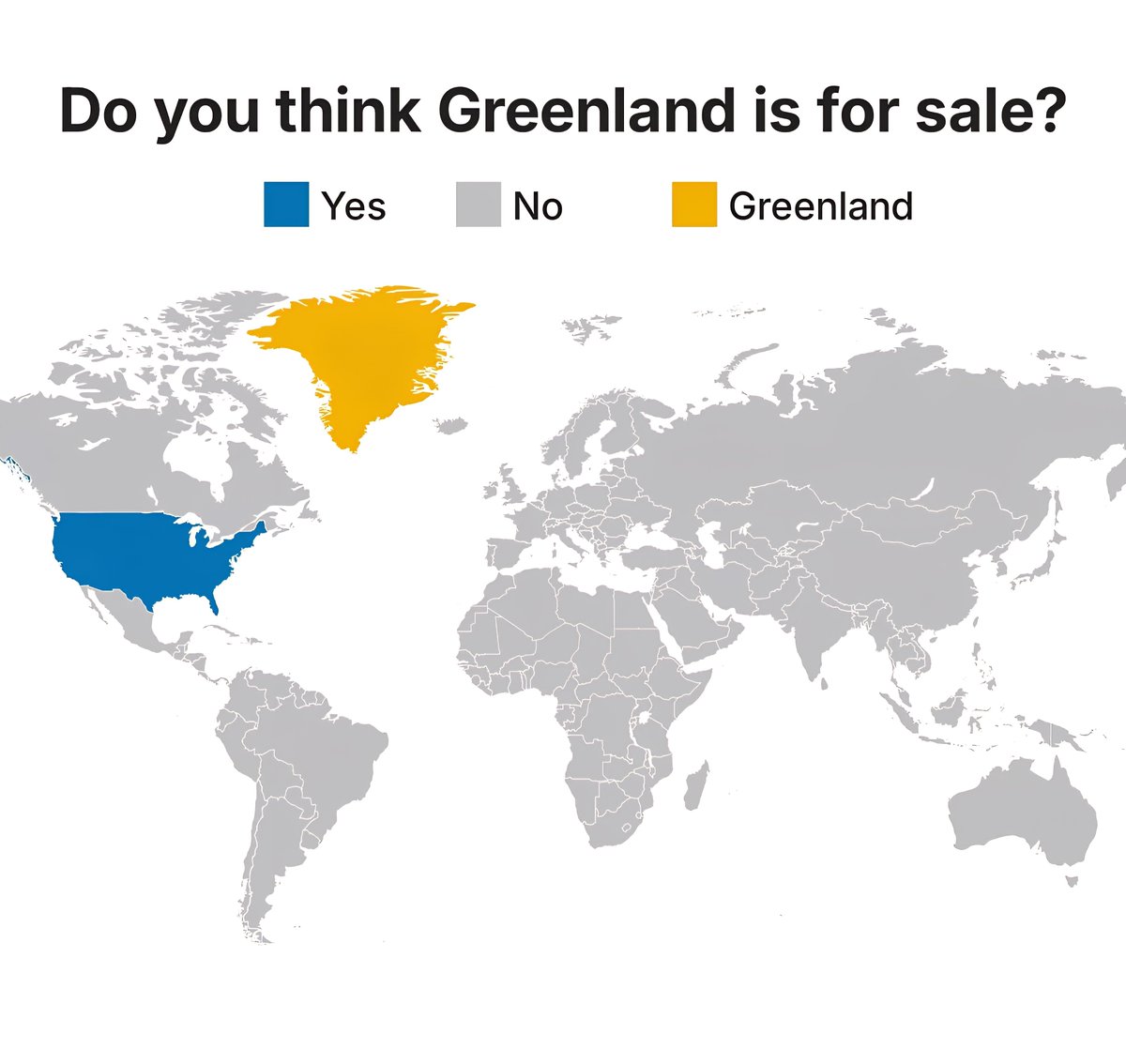
Greenland’s potential sale is stirring global curiosity. While it remains an autonomous Danish territory, rumors and discussions around its possible sale have periodically resurfaced among world leaders and geopolitical analysts. Here’s a detailed look at some countries that have historically shown interest or made statements hinting at Greenland’s potential sale or strategic interest in the massive Arctic landmass.
1. The United States: Ancient Fascination and Modern Interest
For decades, the United States has kept a keen eye on Greenland. During the Cold War era, Greenland was a strategic military location due to its proximity to the Arctic and Atlantic oceans. Military installations such as Thule Air Force Base play a role in U.S. security.
In 2019, news reports speculated about the U.S. renewing discussions about purchasing Greenland from Denmark, citing increasing global interest in the Arctic’s resources and strategic positioning. Although formal negotiations have not occurred, U.S. politicians like former President Donald Trump openly expressed interest in acquiring Greenland, emphasizing the economic and military advantages it offers.
Key Point: While buying Greenland remains unlikely, strategic interests continue to influence U.S. policy and diplomacy surrounding the island.
2. China: Growing Geopolitical Ambitions
China’s ambitions in the Arctic are well documented, with Beijing calling itself a “near-Arctic state.” Over the past few years, China has increased investments, research stations, and strategic partnerships in the region, all while emphasizing future resource extraction potential.
In recent years, Chinese government officials have made provocative statements regarding Greenland’s resource wealth and strategic significance. Some analysts suggest China would be very interested in acquiring or establishing strong economic ties with Greenland as part of its broader Belt and Road Initiative to expand influence into the Arctic.
Key Point: Although China hasn’t explicitly proposed buying Greenland, its strategic investments and diplomatic efforts could play into future negotiations or influence.
3. Russia: Arctic Hub and Strategic Play
Russia’s Arctic strategy focuses heavily on expanding its military and economic presence in the region. With vast Arctic territories and ongoing projects to develop new military bases, Russia appreciates Greenland’s proximity and strategic value.
Some geopolitical experts believe that Russia is watching Greenland closely and could leverage diplomatic channels if the opportunity arises. While no public statements have suggested Russia’s direct interest in purchasing Greenland, the nation’s focus on Arctic development underscores its long-term strategic ambitions.
Key Point: Russia’s Arctic expansion and military readiness could be an indirect interest in Greenland’s future geopolitical role.
4. Canada: A Neighbor with a Shared Arctic Vision
Canada shares a long border with Greenland and considers the Arctic of national security and economic importance. Canadian officials have often voiced concerns over Arctic sovereignty, especially as climate change opens new shipping routes and resource opportunities.
Though Canada has not shown official interest in purchasing Greenland, discussions around Arctic cooperation, sovereignty, and shared interests have gained prominence. Some political figures have joked in jest about acquiring Greenland to secure northern borders, but such remarks are symbolic rather than serious negotiations.
Key Point: Canada’s focus remains on regional cooperation, but the strategic significance of Greenland remains on policy agendas.
5. Denmark: The Current Sovereign Authority
As Greenland is an autonomous territory within the Kingdom of Denmark, it functions with a high degree of self-governance. Denmark maintains sovereignty over the island, but in recent years, Greenland has sought more independence.
While Denmark maintains that Greenland remains a valued part of the kingdom, there have been occasional reports of discussions about the possibility of selling or leasing parts of the territory, especially amid rising geopolitical tension in the Arctic. Nonetheless, the Danish government has reiterated their commitment to Greenland’s sovereignty and its population’s wishes.
Key Point: While some speculation exists, Denmark remains firmly committed to Greenland’s sovereignty and has shown no official interest in selling the territory.
6. Other Nations: Interest in Arctic Resources
Beyond major powers, smaller countries like Norway, Sweden, and even some Gulf States are increasingly interested in Arctic resources. As melting ice reveals new avenues for mining, fishing, and shipping, these nations are keen to establish strategic alliances and secure resource access.
Although none have publicly declared interest in buying Greenland outright, their investments and diplomatic efforts could influence future negotiations or regional power dynamics.
Key Point: The broadening Arctic interest from various nations highlights Greenland’s strategic importance on the global stage.
What Might the Future Hold?
While the idea of Greenland being sold on the global market remains largely theoretical and speculative, the geopolitical and economic stakes in the region continue to grow. The race for Arctic resources, control of shipping routes, and military positioning make Greenland a hot topic among world powers.
It’s crucial to stay tuned to diplomatic developments and international relations trends, as Greenland’s strategic importance is likely to deepen in the coming years. Any move toward sale or increased sovereignty negotiations will almost certainly attract global attention and impact the balance of power in the Arctic.
Greenland’s future remains uncertain, but its colossal size, strategic positioning, and resource wealth certainly make it a key player on the global stage in 2025.
 ChatGPT
 Perplexity
 Gemini AI
 Grok AI