
Select Language:
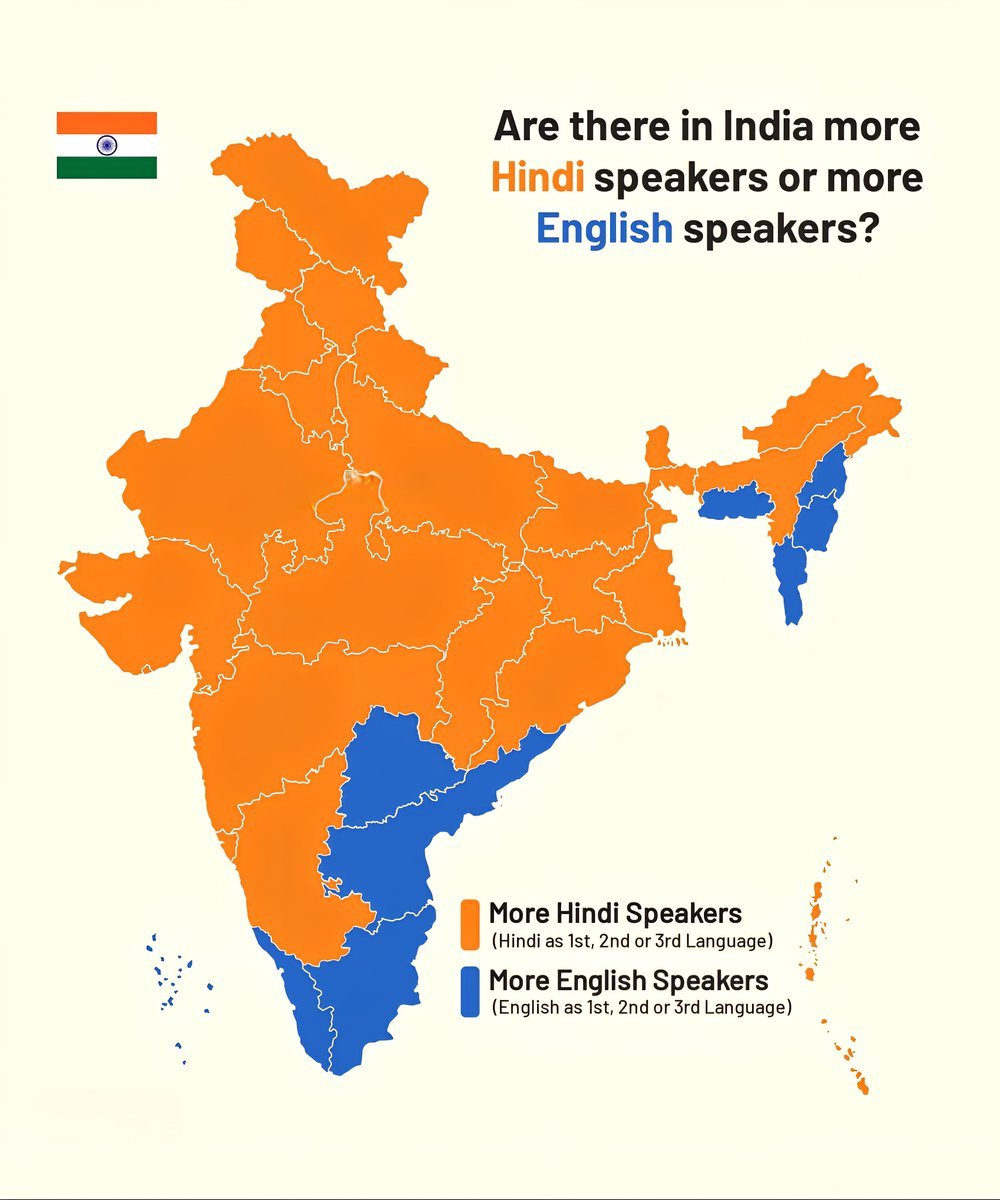
The Language Divide in India: Hindi vs. English Speakers in 2025
Significant Population of Hindi Speakers in India
India continues to be a linguistic mosaic with over 1,600 distinct languages spoken across the country. According to recent data from 2025, Hindi remains the most spoken language in India by sheer numbers. With approximately 600 million native speakers, Hindi covers a vast swath of central and northern India, including states like Uttar Pradesh, Bihar, Madhya Pradesh, Rajasthan, and Haryana.
The dominance of Hindi is also reflected in the media, entertainment, and government communications nationwide. Bollywood movies, regional TV channels, and official documents predominantly utilize Hindi, making it an integral part of daily life for millions. Hindi’s widespread use in rural and semi-urban areas underscores its deep-rooted connection to Indian culture and identity.
Despite this dominance, Hindi’s prominence doesn’t overshadow the multilingual nature of the country. Many speakers are bilingual or multilingual, switching between Hindi and regional dialects like Bhojpuri, Rajasthani, or Haryanvi, depending on the context.
Key Takeaways:
- Over 600 million native Hindi speakers in 2025.
- Hindi is the primary language in numerous northern and central Indian states.
- Strong influence in entertainment, media, and official communication.
The Growing Influence of English Speakers
While Hindi leads in raw numbers, English has witnessed a significant surge in popularity and usage across India. In 2025, estimates suggest that around 125 million Indians are proficient in English, with approximately 25 million considered fluent speakers. This makes India one of the largest English-speaking nations outside of the United States and the United Kingdom.
English in India functions mainly as a “link language,” connecting diverse linguistic communities and serving as the medium of instruction in many prestigious schools and universities. It is particularly prominent in urban centers like Mumbai, Bengaluru, Delhi, and Hyderabad, where the tech industry, business, and academia rely heavily on English.
The rise of India’s startup ecosystem and global business operations in recent years has further cemented English as the language of modern commerce. Multinational companies prefer hiring employees fluent in English, which, in turn, encourages more Indians to learn and use the language regularly.
Key Takeaways:
- Around 125 million Indians are proficient in English, with 25 million fluent speakers.
- English is essential in higher education, business, and technology sectors.
- Urban areas show a higher prevalence of English usage compared to rural regions.
The Cultural and Economic Impact of Language Choices
The linguistic landscape shapes India’s cultural identity and economic development. Hindi, with its deep roots in tradition and popular culture, continues to influence the arts, music, and regional pride. However, English’s role as a global language provides opportunities for education, international trade, and diplomacy, giving Indian professionals a competitive advantage on the world stage.
The government’s language policies aim to promote inclusiveness, encouraging the use of regional languages while also supporting English in education and enterprise. This dynamic balance helps preserve India’s rich linguistic heritage while also fostering global integration.
Future Trends: Will Hindi or English Dominate?
Looking ahead to 2030 and beyond, experts predict that English will continue to grow in importance, especially among the youth and working professionals, driven by digitalization and globalization. Meanwhile, Hindi is expected to maintain its status as the most spoken native language due to demographic trends and cultural influence.
The coexistence of these languages highlights India’s unique position as a multilingual nation navigating between tradition and modernity. Ultimately, the ongoing evolution of language use in India will reflect its pursuit of progress without losing sight of its cultural roots.
Summary:
- Hindi remains the most spoken native language with over 600 million speakers.
- English is increasingly vital for education, business, and global communication.
- Both languages play crucial roles in India’s cultural identity and economic growth, shaping the nation’s future in 2025.
 ChatGPT
 Perplexity
 Gemini AI
 Grok AI