
Select Language:
Blood pressure is a vital measurement used by physicians to assess the health of the heart and blood vessels. It indicates how forcefully blood presses against the artery walls as the heart circulates blood through the body. persistent high blood pressure, if left unmanaged, causes the heart to work harder and gradually damages blood vessels throughout the body.
Over time, this increases the risk of heart attacks, strokes, heart failure, kidney disease, and other serious health issues. Because high blood pressure often presents no obvious symptoms, it’s often called the “silent killer.” Many individuals feel perfectly fine even when their blood pressure is dangerously elevated. This underscores the importance of regular blood pressure monitoring. Detecting hypertension early allows for lifestyle adjustments or treatment before complications arise.
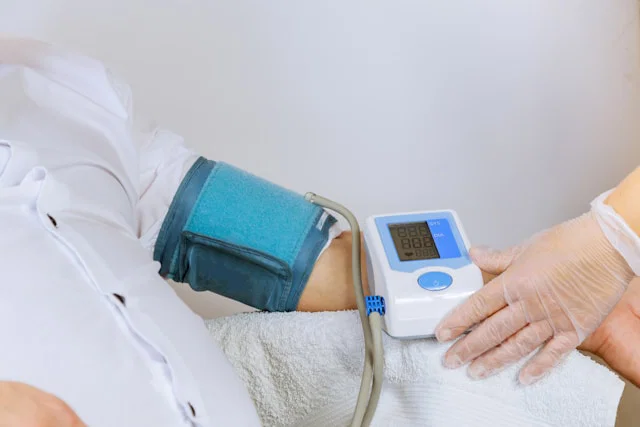
Most people are familiar with the typical method of measuring blood pressure. During a doctor’s visit, patients usually sit quietly for a few minutes while a cuff is placed around their upper arm. The cuff inflates briefly, and the device records the reading. This has been the standard procedure for many years and remains common in most healthcare settings.
However, recent studies suggest that measuring blood pressure solely in a sitting position might not provide the full picture. A presentation at the American Heart Association’s Hypertension Scientific Sessions 2023 revealed that checking blood pressure while lying down could uncover hidden risks that otherwise go unnoticed.
Led by Duc M. Giao, a medical student at Harvard Medical School, the research analyzed health data from over 11,000 adults who participated in a long-term health study between 1987 and 1989. Participants had their blood pressure measured in a lying position, with researchers tracking their health over nearly three decades to see who developed heart disease or other significant medical conditions later on.
The findings were eye-opening. Approximately 16% of participants exhibited high blood pressure only when lying down, despite showing normal readings when sitting. This means many individuals could have undetected high blood pressure, potentially putting them at risk without knowing it. Furthermore, those with elevated blood pressure while lying down faced higher chances of developing cardiovascular issues, heart failure, and strokes. They were also more likely to experience premature death compared to those whose blood pressure remained normal.
Even individuals with high blood pressure only in the supine position faced increased health risks, indicating that blood pressure control is more nuanced than previously understood. Body position can influence readings, and such variations might provide crucial insights into future health risks.
Giao points out that people already at elevated risk for heart disease or stroke could benefit from measuring their blood pressure in multiple positions. Taking readings while lying down might reveal hidden problems earlier and offer a more comprehensive view of blood pressure behavior, including during daily activities and sleep.
Because the study mainly involved middle-aged adults, these findings could be especially relevant for this age group. Experts emphasize the need for further research to verify whether similar patterns are observed in older populations or different demographics before officially updating medical guidelines.
While the study, presented at a prestigious scientific conference, still requires additional validation, it raises an important question: could a simple change in blood pressure measurement techniques enhance early detection of heart disease? If future studies confirm these results, measuring blood pressure both sitting and lying down could become a valuable addition for health screenings, helping physicians identify at-risk individuals before serious issues develop.
Small adjustments in medical practices, such as incorporating lying-down blood pressure measurements, have the potential to make a significant difference. This approach could lead to earlier intervention, improved risk assessment, and better preventive care for those vulnerable to cardiovascular conditions.
For those concerned about managing high blood pressure, exploring the impact of vitamins and other dietary strategies may be helpful. Learning how to regulate both blood pressure and diabetes through nutritious foods, including modifications of traditional Chinese cuisine, can play a critical role. Staying informed with recent research on optimal and harmful foods for high blood pressure is essential for proactive health management.
© 2026 Knowridge Science Report. All rights reserved.
 ChatGPT
 Perplexity
 Gemini AI
 Grok AI