
Select Language:
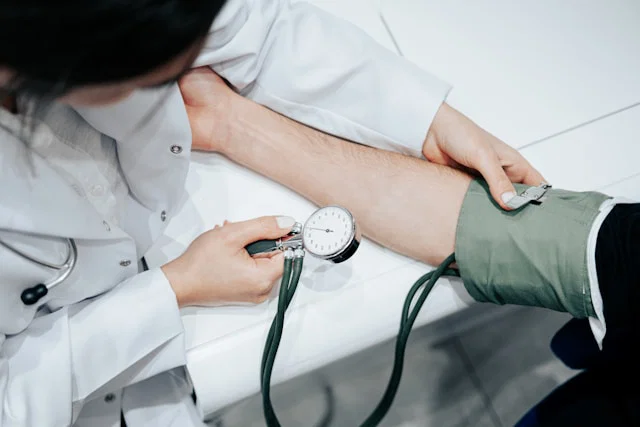
For many individuals, checking blood pressure typically involves visiting a healthcare provider several times a year.
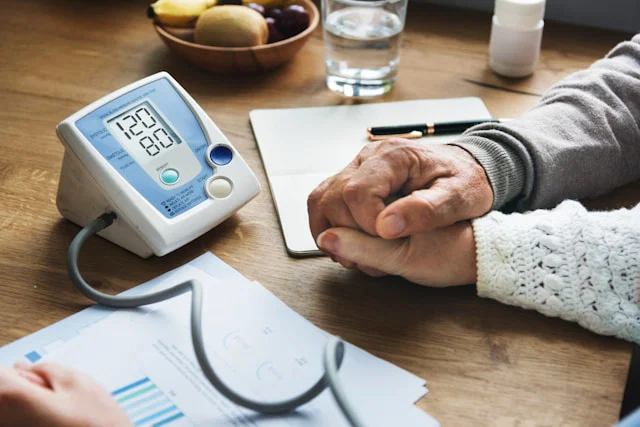
Recent studies indicate that regularly monitoring blood pressure at home could provide significantly greater health benefits than previously thought.
A comprehensive study conducted in Scotland revealed that individuals with high blood pressure who tracked their readings at home and shared the data electronically with their doctors experienced lower rates of hospital stays and mortality compared to those receiving standard care solely through in-person visits.
The results, published in the European Heart Journal–Digital Health, point toward a future where digital health tools may become central to preventing serious health conditions.
High blood pressure affects hundreds of millions globally, often developing slowly without obvious symptoms—a person can carry dangerously elevated levels for years without knowing.
This silent condition can gradually harm blood vessels and increase the risk of heart attacks, strokes, heart failure, kidney disease, and other severe health issues.
Since high blood pressure persists for life, managing it requires continuous effort. Medical professionals typically recommend medications, healthier diets, regular physical activity, weight management, and frequent blood pressure checks.
Researchers from Edinburgh Napier University and the University of Edinburgh aimed to find out if digital telemonitoring could improve long-term outcomes for hypertensive patients.
They analyzed health data from nearly 450,000 patients across Scotland between 2019 and 2022, including about 9,500 individuals enrolled in a program called Connect Me BP.
Participants used home blood pressure monitors and uploaded their readings directly to healthcare teams via a digital platform, receiving reminders to measure their blood pressure regularly.
The study showed that those using telemonitoring saw a reduction in blood pressure within the first three months, and this improvement persisted for over a year.
More notably, these patients experienced fewer cardiovascular events, fewer hospitalizations, and lower mortality rates compared to those receiving usual care.
This might be because home monitoring keeps patients more engaged in their health, encouraging adherence to treatment plans and healthier lifestyle choices. Healthcare providers also gain more frequent updates, allowing for timelier medication adjustments if needed.
The reminder system likely plays a vital role as well, helping patients stay consistent with their measurements—an integral part of effective disease management.
However, researchers caution that the findings should be interpreted with care. Participants engaging in telemonitoring tended to be younger, needed fewer medications, and faced fewer social disadvantages than the broader population. Despite adjustments for these differences, some variables could have influenced the results.
Further research is necessary to determine if telemonitoring provides similar benefits to older adults, those with more severe hypertension, or residents of underserved communities.
These findings are especially relevant as healthcare systems around the world face increasing demands. Digital health solutions that promote active participation can improve outcomes while reducing strain on clinics and hospitals.
Experts involved in the study believe Scotland is at the forefront of this innovation, with around 130,000 people already using the Connect Me BP system.
The scientists emphasize that strokes, heart attacks, and heart failure remain leading causes of fatalities and disability. Therefore, strategies that lower these risks deserve serious attention.
While the study’s results are promising and suggest that simple interventions can significantly enhance health outcomes, they do not prove that telemonitoring alone was responsible for all the observed benefits. Randomized controlled trials remain essential for establishing causality.
Nevertheless, empowering individuals to monitor their blood pressure at home could become an effective and practical approach to improving cardiovascular health and promoting longer, healthier lives.
If you’re concerned about high blood pressure, consider reviewing research on unhealthy habits that can increase risk and explore how drinking green tea may help lower blood pressure.
For additional insights, check out recent studies on foods to eat or avoid for managing high blood pressure and a list of 12 foods proven to help lower blood pressure.
 ChatGPT
 Perplexity
 Gemini AI
 Grok AI